
Acrylic Paint
Acrylic paint is a fast-drying, water-based paint made with pigment and an acrylic polymer binder that forms a durable film on many prepared surfaces.
Practical paint knowledge
PaintZeal explains how paint and surface materials interact, helping you choose suitable products, prepare each project, and get more durable results.
Compare common paint types by composition, finish, durability, application, and how well each one suits different surfaces and project conditions.
Acrylic paint is a fast-drying, water-based paint made with pigment and an acrylic polymer binder that forms a durable film on many prepared surfaces.

Oil paint is a slow-drying art medium made with pigment and drying oil, allowing extended work time, smooth blending, and layered application on supports.

Spray paint applies color through aerosol cans or spray equipment, creating a fine coat for detailed work and even coverage across many surfaces.

Watercolor paint is a water-based art medium made with pigment and a water-soluble binder, typically applied in transparent washes on absorbent paper.
Latex paint is a water-based architectural coating made with a synthetic polymer binder and commonly used on interior and exterior building surfaces.
Enamel paint is a broad coating category formulated to produce a durable finish, with modern products available in both oil-based and water-based systems.
Emulsion paint is a common UK term for water-based wall and ceiling paint, usually made with acrylic or vinyl binder and formulated for a durable finish.

Chalk paint is a water-based decorative coating that dries to an ultra-matte finish and is often used on furniture and household furnishings.
Gouache is an opaque, water-based art paint made with pigment and a water-soluble binder; it dries matte and can be reactivated with water later.
Epoxy paint is a durable resin-based coating; two-part formulas combine resin and hardener before use, while one-part types use epoxy-modified binders.
Modern tempera is an opaque, water-based art paint used for school and craft projects, drying quickly and differing from traditional egg tempera.

Fabric paint is a flexible coating formulated to bond with textile fibers and add lasting color or designs without making the material excessively stiff.
Paint markers deliver opaque pigmented color through a marker tip, with water- and oil-based formulas varying in permanence and surface compatibility.

Metallic paint contains reflective particles that create a metal-like shimmer or sheen; preparation and durability vary with the specific coating formula.

Masonry paint is a coating for porous mineral surfaces such as brick and concrete, with formulas designed for interior use, exterior exposure, or both.
Lacquer paint is a fast-drying coating that forms a smooth, hard finish and is commonly used on furniture, woodwork, and selected metal surfaces.

Polyurethane paint is a resin-based coating that forms a durable finish, with formulas ranging from clear wood coatings to pigmented industrial systems.

Alkyd paint is a resin-based coating that levels to a smooth, durable finish, with traditional solvent-based and newer waterborne formulas available.

Limewash is a mineral coating made mainly from slaked lime, water, and pigment; it penetrates porous surfaces and dries to a breathable matte finish.

Glass paint is a specialty coating for smooth glass or glazed surfaces; some products require air curing or baking to improve durability after application.

Ceramic paint is a specialty coating for fired surfaces like porcelain and earthenware; some products require heat curing after application for durability.
Leather paint is a flexible coating designed to bond to leather without becoming overly rigid, with many modern formulas using water-based acrylic binders.
Chalkboard paint creates an erasable writing surface for chalk, unlike decorative chalk paint used on furniture and household décor for color and finish.

Milk paint is a water-based coating traditionally made with milk protein, lime, and pigment; often sold as powder, it dries to a matte, varied finish.

Glow-in-the-dark paint contains phosphorescent pigments that absorb light and release it gradually in darkness after the painted surface has been charged.

Water-mixable oil uses modified drying oils that mix and clean up with water while retaining many working qualities of traditional oil paint in the studio.

Acrylic gouache is an opaque acrylic paint that dries to a flat matte finish while forming a permanent, water-resistant film unlike traditional gouache.

Vinyl paint is a flexible specialty coating used to recolor or restore vinyl and related trim surfaces, with formulas selected for material and exposure.

Textured paint forms a raised decorative finish and can soften minor surface irregularities, though it cannot replace repairs or preparation.

High-heat paint is a specialty coating for metal exposed to temperatures above ordinary paint limits, including grills, stoves, fireplaces, and engines.

Fluorescent paint uses vivid pigments that look bright under ultraviolet light but stop glowing once the light source is removed from the surface.

Anti-slip paint is a textured floor coating that improves traction on walking surfaces, unlike separate grit additives mixed into ordinary floor coatings.

Iridescent paint contains reflective pearlescent particles that shift in appearance with light and viewing angle, producing brightness or color changes.

Hammered paint creates a dimpled, hand-hammered appearance on metal surfaces, and some formulas protect against corrosion when properly applied.

Elastomeric paint is a flexible, high-build exterior coating designed to expand and contract with masonry or stucco while bridging minor hairline cracks.
Dry-erase paint creates a smooth surface for marker writing and erasure after full cure; product directions determine preparation, application, and use.

Egg tempera is a traditional paint made from pigment, egg yolk, and water that dries quickly in thin layers on a rigid, smooth, absorbent ground.

Encaustic paint is a wax-based art medium in which pigment is suspended in melted wax, applied warm, and fused with heat to form a durable painted surface.

Casein paint is a water-based paint that uses milk protein as its binder, dries quickly to a matte finish, and becomes more water-resistant as it cures.

Traditional tempera is an artist paint made from pigment and an emulsion binder, with egg yolk the best-known binder among several historical formulations.

Distemper is a traditional water-based coating with mineral pigments and a glue- or protein-based binder, drying to a matte, breathable finish on walls.

Cement paint is a mineral coating for porous surfaces such as concrete, plaster, brick, and masonry, drying to a matte finish when fully cured as directed.

Bituminous paint is a water-resistant coating made with bitumen or asphaltic binders, used to protect metal, masonry, concrete, and timber from moisture.

Antifouling paint is an underwater marine coating that limits fouling on boat hulls, with formulas chosen for hull material and local water conditions.

Silicate paint uses potassium silicate to bond chemically with compatible mineral surfaces, leaving a breathable matte finish on masonry and plaster.

Magnetic paint is an iron-rich coating that creates a magnet-receptive surface and is usually applied beneath a compatible decorative topcoat.

Intumescent paint is a passive fire-protection coating that expands under high heat to form an insulating char layer over an approved substrate.

Reflective paint contains light-returning particles that improve visibility when illuminated and does not store light like glow-in-the-dark paint.

Conductive paint contains conductive pigments in a resin binder and can provide shielding, grounding, electrostatic discharge control, or circuit paths.
Explore common painting surfaces and see how material, porosity, texture, flexibility, and exposure affect paint choice, preparation, and finish.
Wood is a natural, porous material whose grain, absorbency, knots, resin, species, and existing finish all influence paint preparation and adhesion.
Canvas is a woven fabric support, commonly cotton or linen, used for painting and sold either raw or prepared with a compatible ground layer.

Paper is an absorbent sheet material made from pressed fibers, with weight, sizing, and surface texture controlling moisture tolerance and paint behavior.

Metal surfaces are hard and nonporous but vary by material, with steel prone to rust and aluminum forming an oxide layer that changes paint adhesion.

Plastic includes rigid and flexible synthetics; its smooth surfaces and varied chemistry make paint compatibility depend on the resin and preparation.
Glass is a hard, smooth, nonporous material with low surface tooth, while its transparency makes uneven coverage and brush marks more visible.

Drywall is a gypsum-core building panel faced with paper, with joint compound at seams and repairs creating areas of different absorbency for paint.

Fabric is a flexible material made by weaving, knitting, or bonding fibers, with fiber content, texture, stretch, and washability affecting paint adhesion.
Concrete is a porous mixture of cement, water, and aggregate that hardens through curing and can continue to release moisture through its surface.
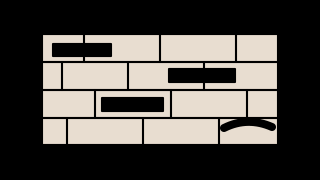
Brick is a porous fired-clay masonry material with a textured surface that absorbs moisture and paint while allowing vapor to move through the wall.
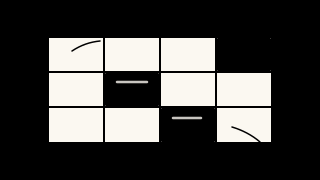
Tile is a hard manufactured surface made from ceramic, porcelain, stone, or other materials, ranging from porous and unglazed to smooth and glazed.

Ceramic is a hard material made by firing clay or other minerals, with surfaces ranging from porous and unglazed to smooth and glass-like when glazed.

Plywood is an engineered wood panel made from bonded veneer layers with alternating grain, and its faces, edges, and filled areas absorb paint differently.

Leather is treated animal hide with a flexible surface, and its finish, oils, texture, and repeated movement affect how paint adheres and wears.
Stone ranges from porous sandstone to dense granite, so texture, mineral makeup, and moisture exposure all shape how a coating can bond and endure.
Plaster is a mineral wall finish made with gypsum, lime, cement, or similar binders, and it needs time to cure and dry fully before painting.

Aluminum is a lightweight nonferrous metal that quickly forms a protective oxide layer in air, changing how primers and paints bond to its surface.

Steel is a strong ferrous metal that can corrode when unprotected, and carbon steel needs different preparation from galvanized or stainless grades.
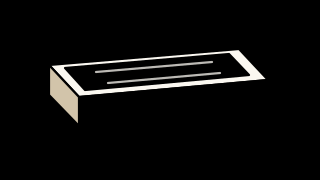
Laminate has a hard decorative wear layer bonded to a core, leaving a smooth, nonporous face that gives paint little natural tooth for adhesion.

Clay surfaces vary from porous air-dried forms to hard ceramic, so paint compatibility and preparation depend on how the material was dried or fired.

Cardboard is a lightweight, absorbent paper-based sheet material whose fibers and corrugated layers can soften or warp when exposed to heavy wet coats.

Vinyl is a synthetic plastic used in rigid and flexible products, with additives, surface finish, and thermal movement all affecting coating adhesion.

Cotton is an absorbent natural fiber used in clothing, canvas, and household fabrics, with weave, weight, finish, and washing affecting paint performance.

Denim is a sturdy woven fabric, usually cotton, with a diagonal twill structure whose flexibility, texture, and regular washing affect painted finishes.
Cured resin is a smooth synthetic surface used in castings and molded objects, with little natural tooth for coatings, so preparation is key to adhesion.
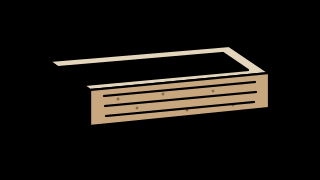
MDF is an engineered wood panel made from compressed fibers and resin, with smooth faces and absorbent cut edges that need preparation before painting.

Wallpaper may be paper, vinyl-coated, textured, or specialty material; surface type, seam condition, and bond strength shape how well paint will adhere.

Terra cotta is a porous, low-fired clay material used for pots, tiles, and decorative objects, readily absorbing moisture, primer, and paint.

Air-dry clay is a porous modeling material that hardens without a kiln or oven and remains more moisture-sensitive than fired ceramic after drying.

Polymer clay is an oven-cured modeling material commonly made with a PVC base, forming a relatively smooth, low-porosity surface after baking.

Rubber is a flexible elastomer used in tires, seals, footwear, and mats, where movement and additives can make paint adhesion difficult to maintain.

Fiberglass combines glass fibers with resin, and finished parts usually expose a smooth resin or gelcoat face that requires compatible paint preparation.

Marble is a calcareous natural stone often honed, polished, or sealed, with those surface treatments reducing porosity and influencing coating adhesion.

Granite is a hard, low-absorption natural stone often polished or sealed, and those smooth treatments can make reliable paint adhesion more difficult.

Bamboo has a hard outer skin and is used in furniture, fencing, and crafts, so paint adhesion depends on its finish, preparation, and intended exposure.

Porcelain is a dense fired ceramic, often glazed to create a hard, smooth, low-porosity surface with little natural tooth for paint to adhere.
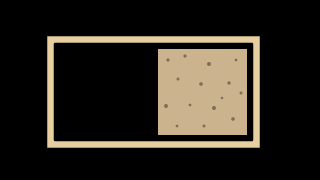
Cork is a porous, flexible bark material used in bulletin boards, tiles, and crafts, where absorbency and movement affect paint coverage and durability.

Painting board is a rigid artist support made from hardboard, wood, or another stable panel, sold either raw or prepared with a medium-specific ground.

Faux leather is a fabric-backed synthetic surface, usually coated with polyurethane or PVC, whose finish and flexing affect how well paint stays attached.

Wood veneer is a thin real-wood layer bonded to a core, so aggressive sanding can damage or cut through its face more easily than on solid lumber.
Melamine is a hard resin surface commonly bonded to particleboard or MDF, creating a smooth, nonporous finish with low natural tooth for coatings.

PVC is a rigid or flexible polyvinyl chloride plastic whose smooth, nonporous surface and manufacturing additives make paint adhesion product-specific.

Stainless steel is a chromium-containing iron alloy with a corrosion-resistant passive layer and a typically smooth, low-tooth surface for coatings.

Galvanized steel pairs a steel base with a protective zinc layer, and factory oils or passivation treatments can interfere with paint adhesion.

Copper is a smooth nonferrous metal that develops oxide and patina over time, leaving a changing surface that can affect primer and coating adhesion.

Brass is a smooth copper-zinc alloy that can tarnish or retain polishing residue, so reliable paint adhesion depends on thorough cleaning and preparation.

Particleboard is an engineered panel made from resin-bonded wood particles, with raw faces that absorb moisture unless sealed or laminated before painting.

Cinder block is a porous concrete masonry unit that readily absorbs moisture and coatings, so its condition and preparation shape paint performance.

Stucco is a porous, textured wall finish made from cement, sand, and water, with a mineral surface that can transmit moisture vapor after curing.
Polyester fabric is a synthetic textile used in clothing and upholstery, with low absorbency and stretch that can affect paint adhesion and washability.

Nylon is a strong synthetic fiber used in jackets, bags, and outdoor gear, with tight weaves and water-repellent finishes that can limit paint adhesion.

Wool is a natural protein fiber used in sweaters, felt, blankets, and upholstery; its texture and care needs influence how paint behaves on the fibers.

Linen is a strong flax fabric for fine-art painting, sold raw or prepared with a ground that affects absorbency and compatibility for each medium.

Silk is a lightweight protein fiber with a smooth, lustrous surface that accepts compatible dyes and fabric paints while retaining flexibility with care.

Wicker describes woven construction rather than one material, with natural plant fibers and synthetic versions presenting very different painting surfaces.

Rattan is a flexible palm stem used in furniture and woven panels, where cane finish, joints, and movement affect paint adhesion and coating durability.
Polycarbonate is an impact-resistant plastic used for glazing and housings, but some solvents can cause stress cracks or damage the surface.

Plexiglass is a rigid acrylic sheet with a smooth, nonporous surface and sensitivity to incompatible solvents that can craze or damage the material.

ABS is a rigid engineering plastic used in housings, trim, appliances, toys, and molded parts, and some coating solvents can stress or damage its surface.
PET plastic is a polyester used for clear bottles, packaging, and films, with a smooth surface whose treatment and existing coatings affect paint adhesion.
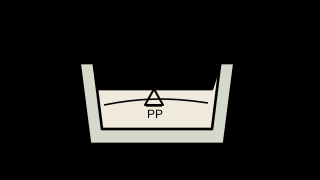
Polypropylene is a lightweight plastic used in containers and auto trim, with low surface energy that makes paint adhesion difficult without pretreatment.
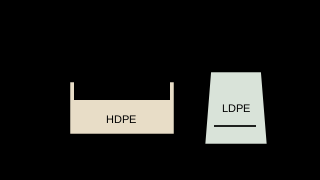
Polyethylene is common in containers and films, and its low surface energy makes HDPE and LDPE hard for paint to grip without surface treatment.

Foam board is a lightweight panel with a foam core between paper facings, and the paper surface and exposed foam edges can respond differently to paint.

EVA foam is a lightweight, flexible material used in crafts, props, costumes, and cosplay, with repeated bending capable of stressing rigid paint films.

Styrofoam is a lightweight polystyrene foam used in crafts, models, and insulation, with some solvents able to dissolve or deform the material.

Silicone is a flexible, low-energy elastomer used in molds, seals, and soft parts, so many conventional paints have difficulty bonding to it reliably.
Thermoplastic polyurethane (TPU) is a flexible plastic used in cases, films, footwear, and seals; stretching can challenge coating adhesion and durability.

Cast iron has a heavy, textured surface that can rust, so cleaning, rust removal, and primer selection matter before applying a protective paint finish.

Chrome plating is smooth and hard with little surface tooth, so successful painting depends on thorough preparation and a primer made for plated metal.

Slate is a layered natural stone used in floors, roofs, and cladding, and its texture, sealer, and moisture affect paint adhesion and coating durability.
Limestone is a calcium-rich stone used in walls and paving, and its porosity, acid sensitivity, and moisture movement affect paint choice and preparation.
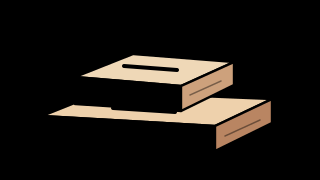
Sandstone is a sedimentary stone used in walls and paving, and its grain strength and porosity affect paint absorption and exterior coating durability.

OSB is an engineered wood panel made from cross-oriented strands, with a textured face and exposed edges that can absorb coatings at different rates.

Cement board is a rigid, fiber-reinforced panel used in wet areas; its porosity and factory finish affect how compatible primers and paints bond.

Linoleum is resilient flooring made from linseed oil, wood flour, and mineral fillers on a backing, unlike synthetic PVC-based vinyl flooring.
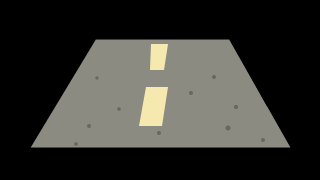
Asphalt is a bitumen-bound paving material used for roads, driveways, and parking lots, where traffic wear and surface oils call for specialty coatings.
Start with the object when a project combines several materials or needs special guidance for wear, flexibility, cleaning, and everyday use.

Furniture may combine wood, veneer, engineered panels, metal, or factory finishes, so substrate and finish affect adhesion, preparation, and wear.

Cabinets combine door and box materials such as wood, veneer, MDF, laminate, and melamine, with frequent handling and cleaning affecting coating wear.
Shoes may combine leather, fabric, canvas, plastic, and rubber, with repeated flexing, abrasion, and wear placing different demands on painted surfaces.

Doors may be made from wood, steel, fiberglass, vinyl, or PVC and are exposed to repeated handling, movement, and sometimes outdoor weather.

Flower pots may be porous terra cotta, glazed ceramic, plastic, concrete, or metal, so material and moisture exposure affect coating preparation and wear.
Countertops face cleaning, abrasion, spills, and heat, so refinishing depends on the substrate and the finished surface’s intended service conditions.

Fences use outdoor materials such as wood, steel, aluminum, vinyl, or PVC, and weather, moisture, and movement affect coating choice and durability.
Garage floors are usually concrete and face hot tires, oil, moisture, and abrasion, so a durable coating depends on preparation and service conditions.
Bicycles combine steel, aluminum, composites, and plastic with exposed functional parts, so coating choice depends on material, use, and component wear.

Denim jeans flex, abrade, and endure repeated washing, so custom painted designs need textile-compatible coatings that move with the fabric.

Phone cases use rigid plastic, TPU, silicone, rubber, or leather; frequent handling and flexing shape adhesion, wear, coating choice, and finish.

Picture frames use wood, MDF, metal, or plastic, and existing decorative finishes can affect texture, preparation, coating adhesion, and finish.

Garage doors use steel, aluminum, wood, fiberglass, or vinyl panels, so weather exposure, movement, and factory finishes shape coating choice.

Guitars combine finished wood, metal, plastic, and hardware, so paint compatibility depends on the part being coated and its existing finish.

Skateboards combine layered wood decks with metal trucks and hardware, and their parts face repeated abrasion, impact, and wear on every ride.
Window frames may be made from wood, aluminum, steel, vinyl, PVC, or fiberglass and combine weather exposure, moving parts, and glazing edges.

Lamps combine decorative materials such as metal, ceramic, glass, wood, and plastic with electrical components and localized heat near bulbs.

Shutters may use wood, aluminum, vinyl, PVC, or fiberglass, with sunlight, rain, movement, and handling testing exterior coatings year-round.

Mailboxes are outdoor fixtures commonly made from steel, aluminum, plastic, or wood, with weather, handling, and moisture affecting coating durability.
Boat painting depends on hull material, whether the area stays above or below the waterline, and how the coating must handle water, weather, and abrasion.

Fishing lures range from wooden and rigid plastic hard baits to metal jigs and flexible soft baits, each needing a coating suited to its material.

Helmet shells use ABS plastic, polycarbonate, fiberglass, or composites; solvent exposure and coating rules vary by material and manufacturer.

Radiators use cast iron, steel, or aluminum and cycle through repeated heating, so service temperature and existing finishes govern coating performance.

Candles combine different waxes with a wick and sometimes a container, so paint compatibility and safe burning depend on the material and coating location.
Explore notable painters through the materials, techniques, working methods, and distinctive approaches that shaped their art and lasting influence.
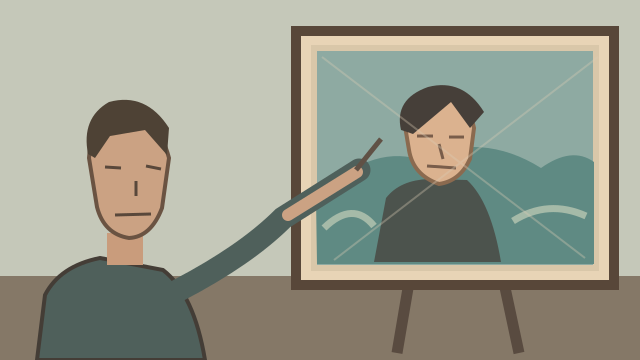
Leonardo da Vinci was an Italian High Renaissance painter whose portraits, subtle shadows, and carefully studied figures transformed European painting.

Vincent van Gogh was a Dutch Post-Impressionist painter known for expressive color, energetic brushwork, and a highly visible paint surface.
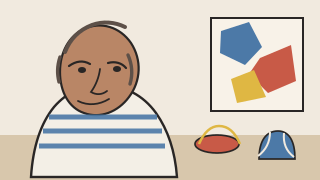
Pablo Picasso was a Spanish artist whose career ranged from the Blue and Rose periods through Cubism, Surrealism, sculpture, printmaking, and ceramics.
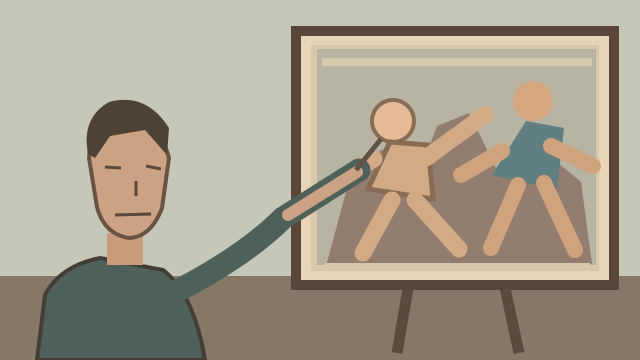
Michelangelo was an Italian High Renaissance artist renowned for sculptural figures, the Sistine Chapel frescoes, and his tempera grassa Doni Tondo.

Claude Monet was a French Impressionist painter known for landscapes and repeated studies of changing light, color, and atmosphere across the seasons.

Salvador Dalí was a Spanish Surrealist painter known for meticulously rendered dream scenes, uncanny objects, and precise oil-painting techniques.
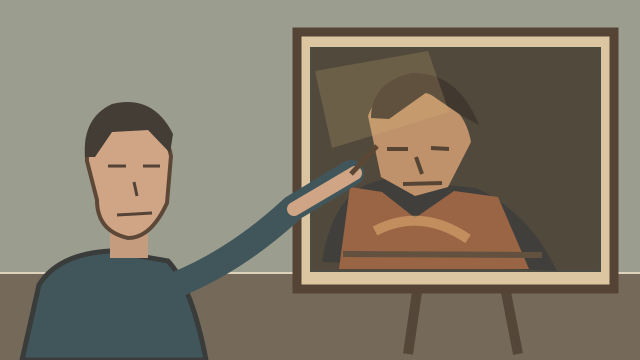
Rembrandt was a Dutch Baroque-era painter celebrated for expressive portraits, biblical scenes, textured oil paint, and subtle theatrical lighting.

Frida Kahlo was a Mexican painter known for self-portraits and paintings exploring identity, family, physical pain, relationships, and Mexican culture.

Andy Warhol was an American Pop artist who turned consumer products, celebrities, and mass-media photographs into paintings and repeated screenprints.

Henri Matisse was a French artist known for vivid color, simplified forms, Fauvist painting, and the gouache-painted paper cut-outs of his later career.
Bob Ross was an American painter, art instructor, and television host best known for The Joy of Painting and his approachable wet-on-wet oil lessons.

Gustav Klimt was an Austrian painter and Vienna Secession founder known for patterned portraits, landscapes, allegories, and ornamental gold details.
Johannes Vermeer was a Dutch Baroque-era painter famed for quiet interiors, delicate daylight, luminous colors, and closely observed everyday scenes.
Raphael was an Italian High Renaissance painter celebrated for balanced Madonnas, clear figure groupings, and the Vatican's School of Athens fresco.

Sandro Botticelli was a Florentine Renaissance painter known for graceful line, religious scenes, portraits, and mythological works such as Primavera.

Pierre-Auguste Renoir was a French Impressionist painter known for lively portraits, social gatherings, soft color, and new approaches to oil painting.

Edgar Degas was a French artist associated with the Impressionists, known for ballet dancers, horse racing, portraits, and scenes of modern Parisian life.

Paul Cézanne was a French Post-Impressionist painter known for still lifes, landscapes, and portraits built through measured brushstrokes and color.
Jackson Pollock was an American Abstract Expressionist known for pouring, dripping, and flinging fluid paint across canvases laid on the floor.

Wassily Kandinsky was a Russian-born painter, teacher, and theorist who explored how color, line, shape, and rhythm could carry meaning in abstract art.
Edward Hopper was an American realist painter whose city interiors, roadside buildings, and coastal landscapes use strong light and geometric composition.

Georgia O'Keeffe was an American modernist known for close-up flowers, New Mexico landscapes, bones, architecture, and simplified natural forms.

Piet Mondrian was a Dutch abstract painter known for balanced compositions of straight black lines, rectangular color planes, and white space.

René Magritte was a Belgian Surrealist painter known for placing familiar objects in puzzling scenes that challenge how images represent reality.

J. M. W. Turner was a British Romantic artist known for landscapes and marine subjects, using expressive light and color to convey weather and atmosphere.
Caravaggio was an Italian Baroque painter known for dramatically lit biblical scenes, unidealized models, and startling contrasts of light and shadow.
Mark Rothko was an American abstract painter known for large canvases with softly edged fields of color and a focus on the emotional impact of painting.
Paul Gauguin was a French Post-Impressionist painter known for bold flat colors, simplified forms, and paintings made in Brittany and French Polynesia.
Roy Lichtenstein was an American Pop artist who adapted comic and advertising imagery with bold outlines, flat color, and commercial printing patterns.
Albrecht Dürer was a German Renaissance artist whose watercolors, drawings, engravings, and woodcuts paired close observation with technical precision.

Alphonse Mucha was a Czech painter and designer known for Art Nouveau posters, decorative imagery, and historical canvases in his Slav Epic series.
Marc Chagall was a Belarus-born French artist whose dreamlike scenes joined village memories, lovers, animals, folklore, religion, music, and vivid color.

Joan Miró was a Spanish artist associated with Surrealism, known for biomorphic forms, symbolic imagery, vivid color, and abstract painting and prints.

David Hockney is a British painter whose portraits, landscapes, California pool scenes, and experiments with photography and digital drawing.
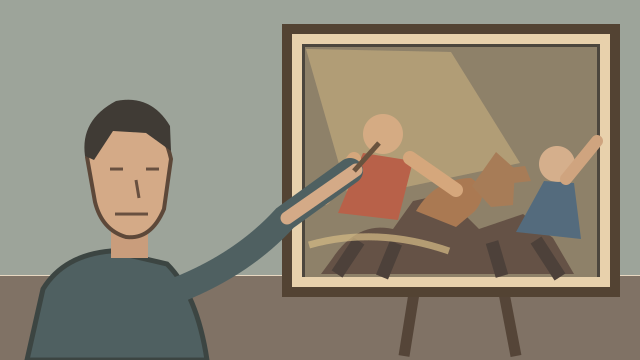
Peter Paul Rubens was a Flemish Baroque painter celebrated for dynamic mythological scenes, sweeping compositions, rich color, and large oil paintings.
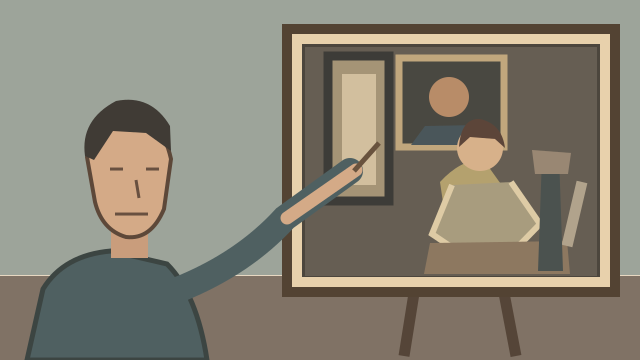
Diego Velázquez was a Spanish Baroque painter whose naturalistic royal portraits, subtle brushwork, and complex interiors reshaped European court painting.

Paul Klee was a Swiss-born German artist and Bauhaus teacher whose experimental work joined color, geometry, symbols, humor, music, and nature.
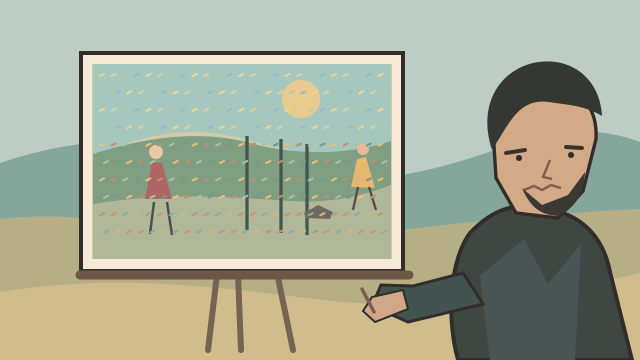
Georges Seurat was a French Neo-Impressionist known for planned compositions, separate dots of color, and detailed oil studies of modern life.

Yayoi Kusama is a Japanese contemporary artist known for repeated dots and nets, immersive installations, mirrored spaces, and themes of infinity.
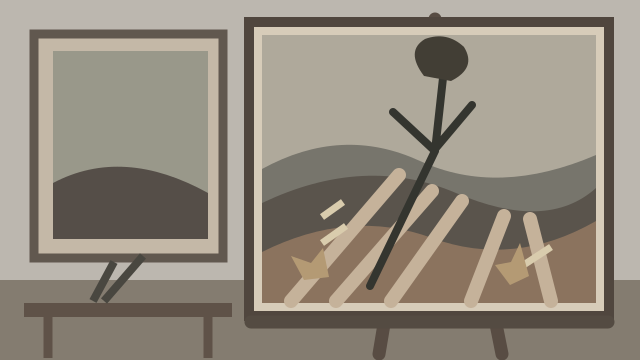
Anselm Kiefer is a German painter and sculptor known for monumental works on history and memory, combining paint with straw, lead, and other materials.

Jean Dubuffet was a French painter and sculptor known for rough surfaces, unconventional materials, figurative imagery, and his Art Brut ideas.
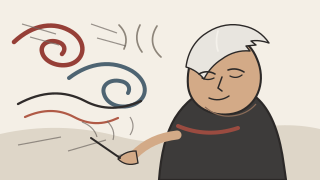
Cy Twombly was an American painter known for gestural works that often combined oil-based house paint with crayon, pencil, and other drawing materials.

Jean-Michel Basquiat was an American artist whose paintings combine handwritten text, anatomy, crowns, cultural references, music, and history.

Keith Haring was an American artist known for outlined figures, public murals, subway drawings, vivid color, and recurring social themes in his work.
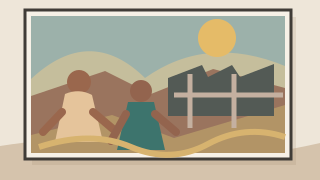
Diego Rivera was a Mexican painter and muralist whose frescoes depicted workers, industry, national history, and everyday life on monumental public walls.

Annie Sloan is a British-based decorative painter and designer who developed Chalk Paint and uses it for furniture, interiors, and decorative projects.

Chris Berry, known as The Idaho Painter, runs Paint Life TV and teaches residential coatings, surface preparation, spray methods, and trade skills.
Browse practical paint topics covering selection, preparation, removal, tools, home projects, automotive coatings, hobby painting, and related techniques.

Paint Basics covers common paint products, properties, compatibility, safety, preparation, application, and everyday questions about how paint works.

Paint Removal covers methods for stripping or lifting paint from different surfaces, choosing suitable removers, and reducing the risk of surface damage.

Interior & Exterior Paint covers preparation, application, finish selection, compatibility, maintenance, and coating choices for surfaces around the home.
House Paint covers interior and exterior home painting, walls, drywall, surface preparation, finish selection, application, and common household projects.

Hobby Paint covers craft and art projects, small-scale painting materials, surface compatibility, application methods, finishes, and creative techniques.
Automotive paint guides cover vehicle finishes, surface preparation, repair, touch-ups, compatibility, application, and ongoing care for painted vehicles.