
Acrylic Paint
Painting Denim with Acrylics: Flexibility and Washability
Acrylic paint can be used on denim, but fabric medium, thin layers, heat setting, and gentle washing help keep the design more flexible and durable.
Published · Updated
Acrylic paint can decorate denim, but a thick layer may stiffen the fabric or crack when it bends. Textile paint or acrylic used with a compatible fabric medium usually stays more flexible; washability depends on the product and curing instructions.
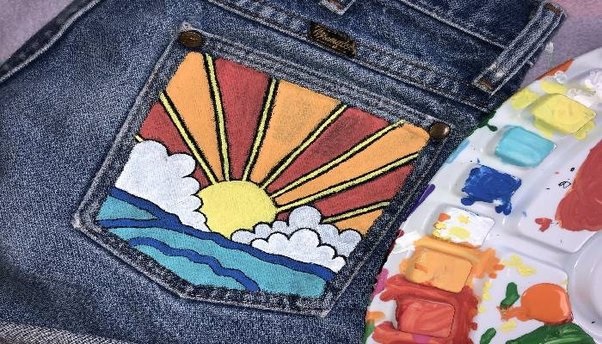
Can you paint denim with acrylic?
Acrylic paint works on denim when the fabric is clean and the coating remains flexible, with textile medium and proper curing helping reduce cracking and stiffness.
| Cleaning | Pre-wash and dry wearable denim before painting; avoid fabric-softener residue. |
|---|---|
| Sanding | Not normally needed. |
| Primer | Not normally needed for ordinary wearable denim. |
| Fabric medium | Recommended when the chosen acrylic paint requires a textile medium for flexibility and adhesion. |
| Application | Use thin layers; heavy applications can make fabric stiff and are more prone to cracking. |
| Curing | Follow the exact paint or medium instructions. Heat-setting is product-specific rather than universal. |
| Main risks | Stiffness, cracking, poor adhesion, or wash damage when the paint system or application method is unsuitable for fabric. |
Acrylics can be adapted for fabric, but results vary with the fiber, paint, and application. The Artists Network guide to acrylic painting substrates discusses fabric as one option; it does not make every paint-and-denim combination washable or crack-resistant.
How to Acrylic Paint on denim Jeans: Step by Step Tutorial
Prepare the denim Jeans
Step 1: Pre wash the jeans
Before applying paint you should wash the jeans. Remove any sizing or starch that can interfere with paint adhesion ability.
Step 2: Iron the jeans
After dry jeans, iron it. It will make a smooth and even surface for painting.
Step 3: Protection for the bottom side
When you paint on the upper side, there is a chance the paint liquid will affect the bottom side of the jeans. Place a cardboard or plastic sheet in the middle of the 2 parts.
Step 4: Cover the surrounding areas
You mustn't paint the entire jeans - only the pocket. Accidents happen, and they can ruin everything. To prevent this, use tape to surround the area you want to paint.
Apply Base Coat
Skip the primer: Do not sand wearable denim or add a primer unless the product instructions call for it. A fabric medium is mixed with acrylic only when its label gives directions for that paint; follow its stated ratio rather than using a fixed recipe.
Pro tip: Choose the appropriate base coat for the fabric and desired effect. Bright colors need white/light base, muted/vintage use darker base.
Step 3: Apply
Apply base coat with any flat paint brush. Brush strokes will be even and smooth. Apply a thin coat and multiple coats. Give a break of 10-20 minutes between coats.
Remember for final acrylic paint, the base coat should be dry completely.
Plan the Design
Without planning how you will get eye catching results? You can follow some tips gathering plans.
- You can sketch out the design on paper then directly onto the jeans with a pencil.
- If you are not able to sketch, you can buy premade stencils from Amazon.
- You can easily find painting inspiration from online examples like pinterest, YouTube, your favorite artist tutorial, blog and more.
Apply Paint
Step 1: Choose right paint
You need fabric compatible paint for this type of project. Here are some best acrylic paints and brushes for painting denim jeans.
| Paint | material | Comment |
| FolkArt Brush on Fabric Acrylic Paint | Paint | High pigmentation, smooth finish, washable, versatile use |
| Tulip Soft Fabric Paint Kits | Paint | Easy to use and dries Fast, leaving a soft, flexible finish |
| Royal & Langnickel Soft Grip Fabric Painting Brush Set | Brush | Good for low budget |
| Winsor & Newton Galeria Filbert Long Handle Brush | Brush | Premium options |
Step 2: Apply paint
Best way to apply paint is thin and multiple layers. Each layer completely dries the applied layer. Use flat or sponge brush for a large area and small details brush for fine lines and details.
Keep in mind, be careful of hardware such as zippers and buttons, as applying paint nearby may result in stiffness or difficulty in operation.
Pro tips: little paint accidents are common. If you make a mistake, use damp clothes or a sponge to remove the paint before it dries completely.
Heat Settings
Heat-setting is not the same for every fabric paint or medium. Follow the product’s curing instructions, including whether heat is required and what temperature and pressing method to use. Heat only after the paint is fully dry and protect the fabric as directed.
Before heat settings ensure the paint is completely dry.
Do not use a universal time or temperature: denim can scorch, and some products should not be heat-set. Use the paint or medium maker’s instructions. After the finish has cured, wash inside out on a gentle cycle if the label permits; air-drying reduces wear.
Bottom line, time to go practice! That's it.
Helpful video
Related articles
Explore more PaintZeal guides on paint choices, surface preparation, compatible coatings, and practical techniques for getting a durable, even finish.

How to Wash a Painted Denim Jacket?
Learn how to wash and air-dry painted denim gently after the design has fully cured.

Can You Use Acrylic Paint on Fabric?
Compare the broader fabric-painting process, including textile medium, flexible layers, curing, and washability.

Can You Use Fabric Paint for Screen Printing?
Review another textile-paint technique where opacity, flexibility, curing, and repeated washing affect durability.

Can I Dye Shoelaces with Acrylic Paint?
See how acrylic color behaves on another flexible textile that bends, rubs, and needs to retain movement after painting.