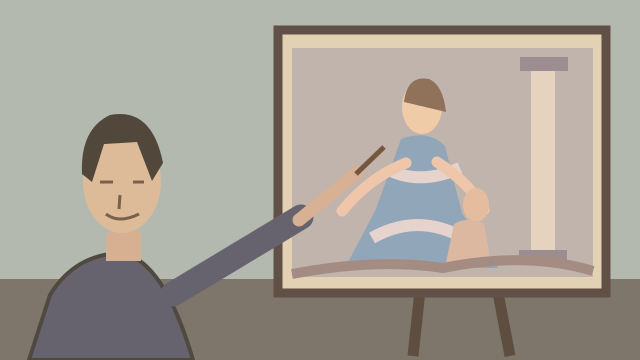
Parmigianino
Parmigianino was an Italian Mannerist painter whose elongated figures, elegant gestures, and unusual perspectives helped define the movement's style.

Painter
Giuseppe Arcimboldo was a Milanese Mannerist court painter whose fantastical portraits assemble fruit, flowers, animals, and objects into human faces.
Arcimboldo’s quick facts connect his Habsburg court career and composite heads with documented materials, subjects, and selected court commissions.
| Full name | Giuseppe Arcimboldo |
|---|---|
| Born | 1526 (sometimes given as 1527) · Milan, Duchy of Milan (now Italy) |
| Died | 1593 · Milan, Duchy of Milan (now Italy) |
| Nationality | Italian (Milanese) |
| Movements | Mannerism (Milanese and Habsburg court traditions) |
| Paint types | Oil Paint |
| Other media | — |
| Other materials | — |
| Painting surfaces | Wood · Canvas |
| Painting methods | Painted precise still-life details in oil and joined them into composite heads |
| Common subjects | Faces built from fruit, vegetables, flowers, animals, books and tree trunks; allegorical portraits and Habsburg court imagery |
| Notable works | Four Seasons in One Head · Winter (1573) · Summer (1563) · The Librarian |
Sources: National Gallery of Art: Four Seasons in One Head, oil on panel, Louvre: Winter (1573), oil on canvas, and seasonal versions, National Gallery of Art: Arcimboldo exhibition and composite portraits, National Gallery of Art: Giuseppe Arcimboldo, artist overview.
Arcimboldo used oil to turn painted fruits, flowers, and objects into composite portraits that read as both still life and human likeness in court works.

The National Gallery of Art records Four Seasons in One Head as oil on panel, while the Louvre identifies its 1573 Winter as oil on canvas. Arcimboldo’s sharp descriptive details make the pictured produce and foliage combine into allegorical faces; the support varies by work.
Sources: National Gallery of Art: Four Seasons in One Head, oil on panel; Louvre: Winter (1573), oil on canvas; National Gallery of Art: Arcimboldo, Nature and Fantasy.
Collection entries identify wood and canvas among Giuseppe Arcimboldo’s supports, with the examples below grounding each material in documented works.

Arcimboldo’s painted portraits, including the National Gallery’s Four Seasons in One Head, are documented on wood panels. The rigid support carries detailed oil compositions built from plants, fruit, and other objects. This panel work differs from the canvas used for the Louvre’s 1573 Winter.

Arcimboldo’s paintings include canvas supports, notably the Louvre’s 1573 version of Winter, cataloged as oil on canvas. The textile surface supports the allegorical portrait’s foliage and seasonal imagery. This differs from the wood panel recorded for Four Seasons in One Head.
Sources: National Gallery of Art: Four Seasons in One Head, oil on panel, Louvre: Winter (1573), oil on canvas, and seasonal versions, National Gallery of Art: Arcimboldo exhibition and composite portraits, National Gallery of Art: Giuseppe Arcimboldo, artist overview.
Parmigianino and Bronzino represent other refined Italian Mannerist approaches, but neither painted Arcimboldo-style composite still-life heads.
Parmigianino was an Italian Mannerist painter whose elongated figures, elegant gestures, and unusual perspectives helped define the movement's style.
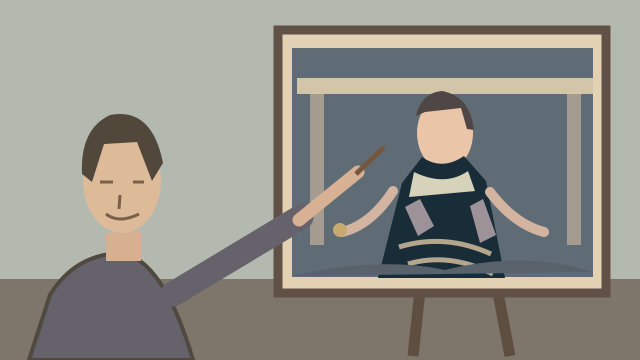
Agnolo Bronzino was an Italian Mannerist painter known for finely detailed Medici portraits, cool expressions, and polished, elaborate allegories.