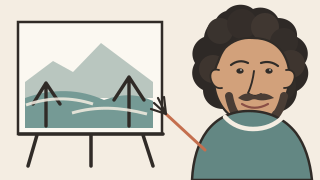
Bob Ross
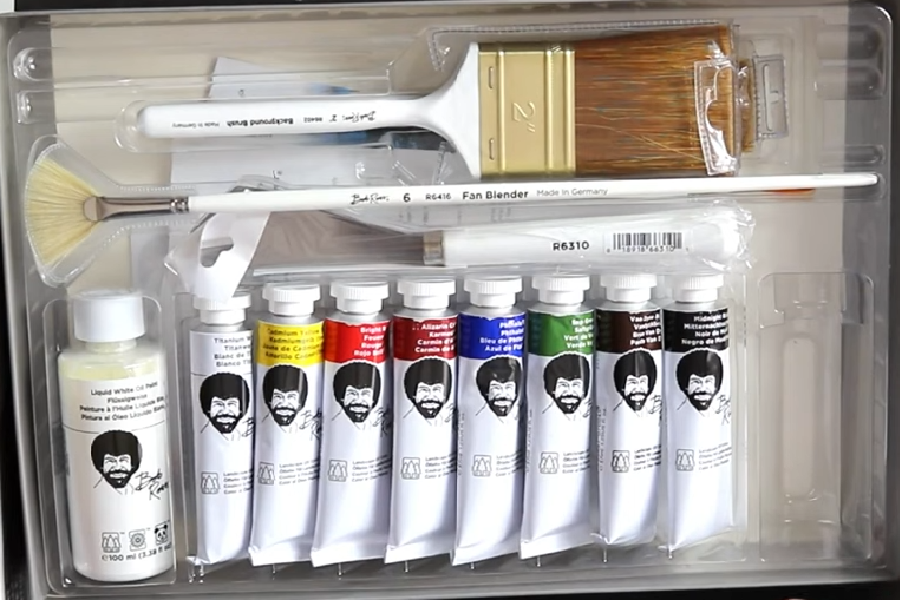
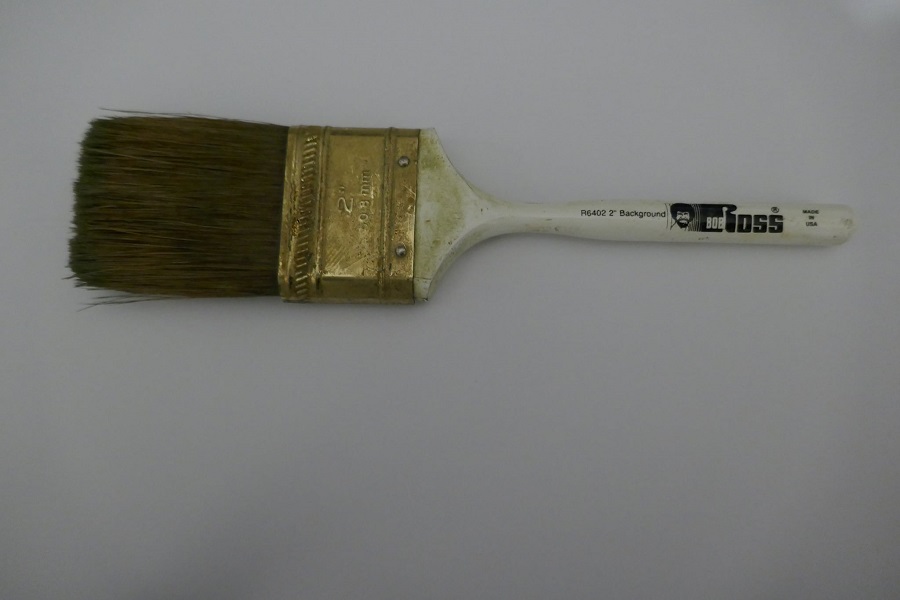
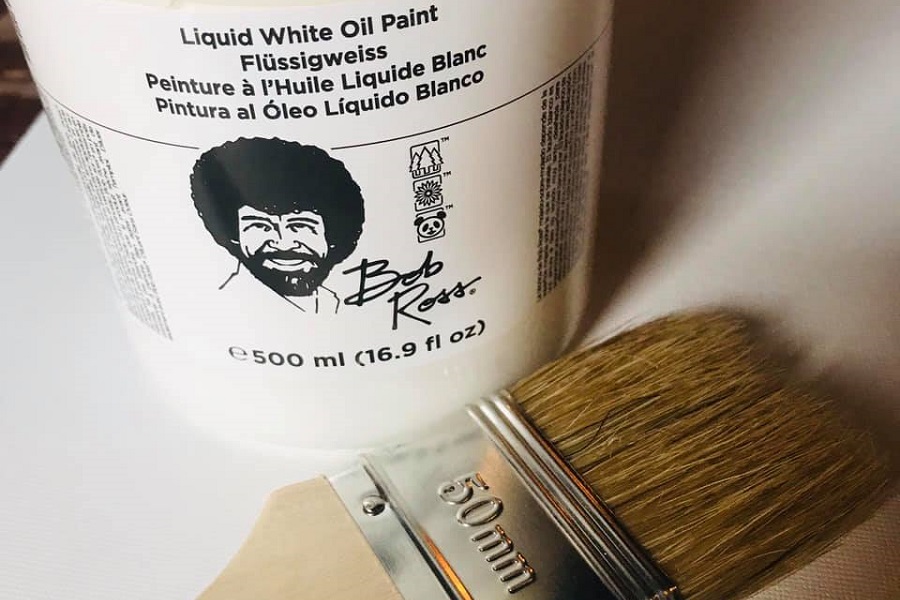
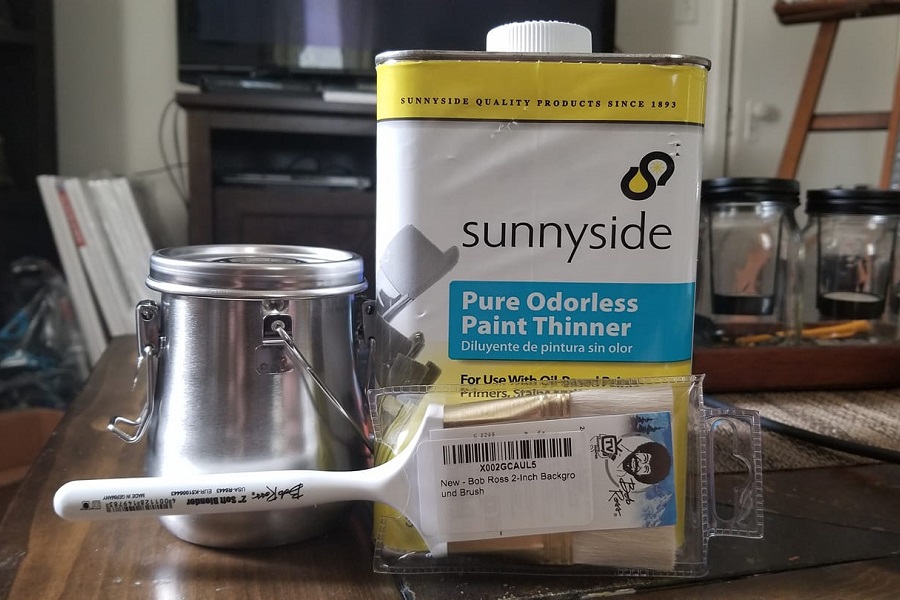
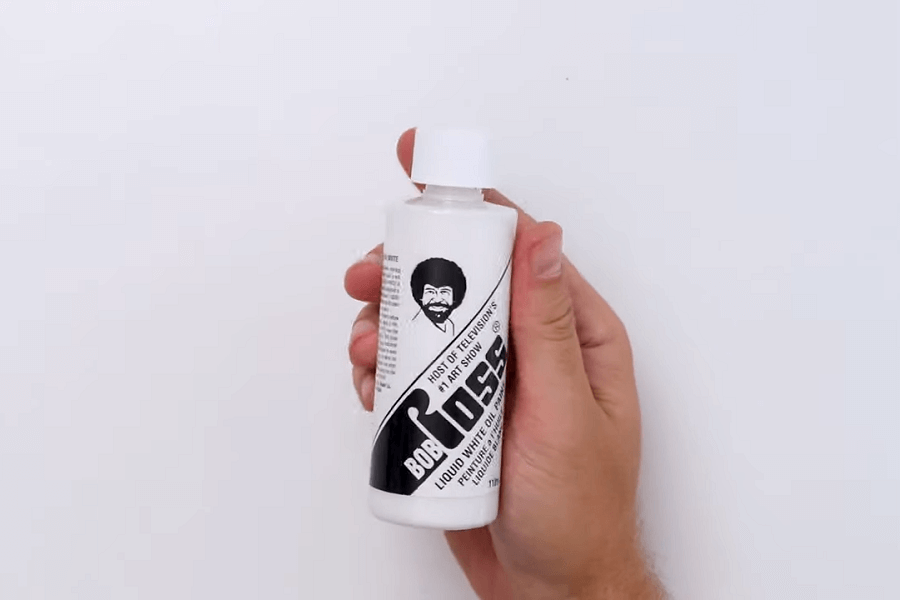
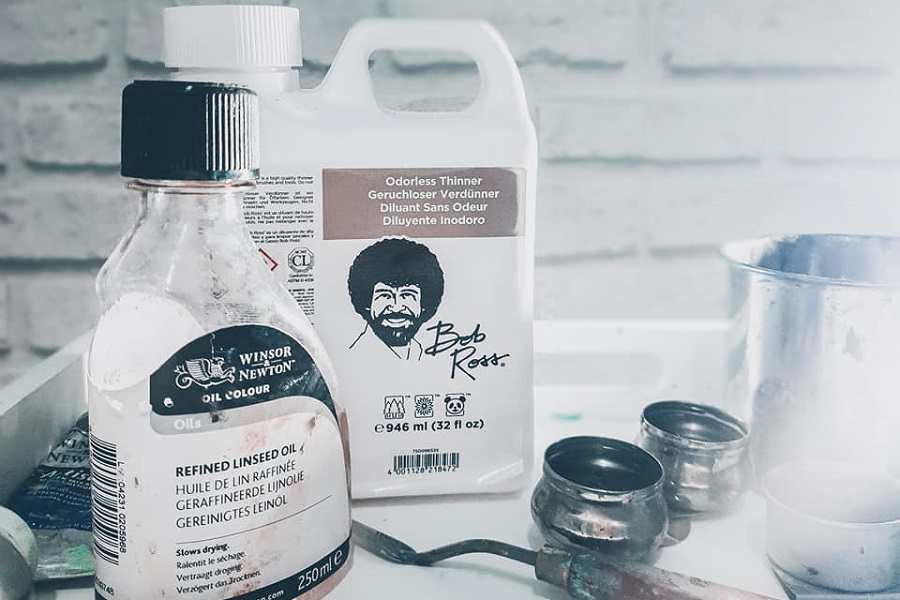
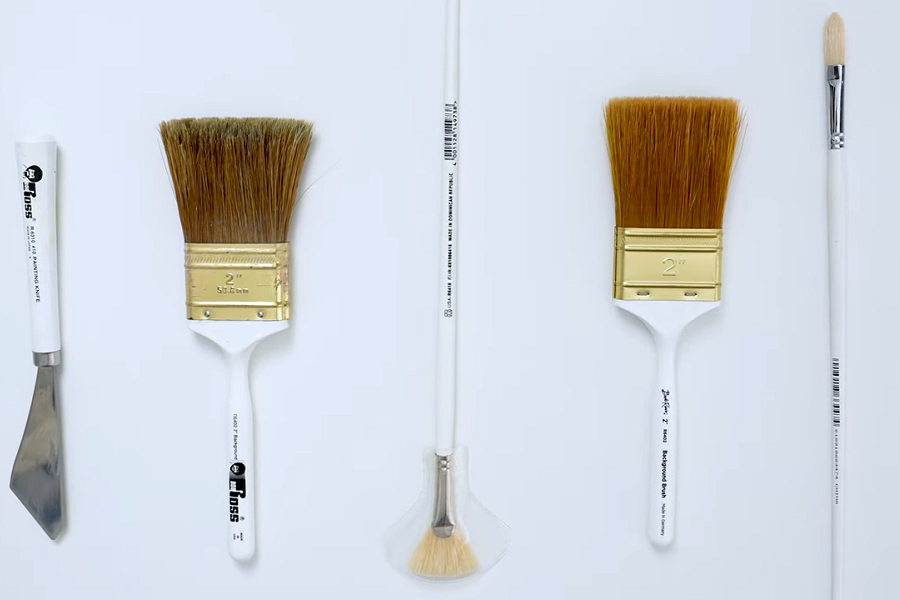
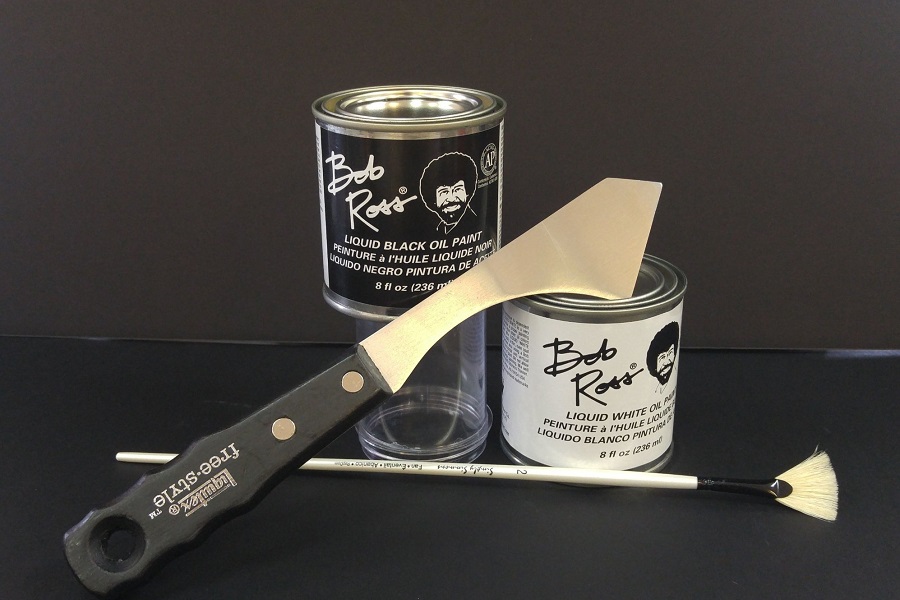
Bob Ross was an American painter, art instructor, and television host best known for The Joy of Painting and his approachable wet-on-wet oil-painting lessons.

Paint Type
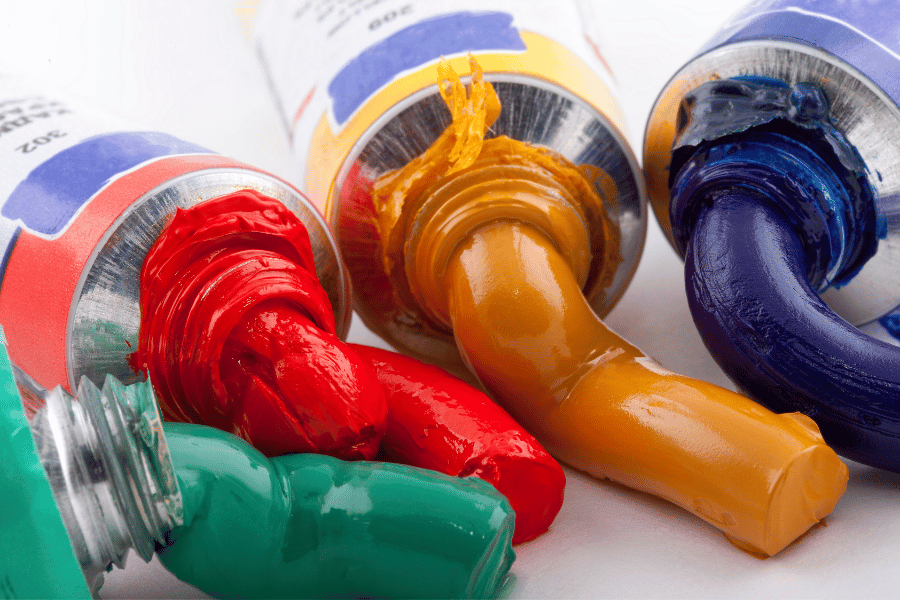
Oil paint is a slow-drying art medium made with pigment and a drying-oil binder that allows extended working time, smooth blending, and layered application.
Oil paint performs well on many stable supports, while absorbent surfaces usually need a suitable ground to control oil penetration and adhesion.
| Surface | Compatibility | Preparation | Ground | Finish | Guide |
|---|---|---|---|---|---|
| Canvas | Excellent | Use oil-ready pre-primed canvas or size raw canvas before applying a suitable ground. | Artist acrylic gesso or oil ground | Optional final varnish | — |
| Linen | Excellent | Use oil-ready pre-primed linen or size raw linen before applying a suitable ground. | Artist acrylic gesso or oil ground | Optional final varnish | — |
| Wood | Excellent with preparation | Use a clean, dry, stable panel; sealing first can reduce absorbency and moisture movement. | Artist acrylic gesso or oil ground | Optional final varnish | — |
| Plywood | Good with preparation | Use untreated, clean, dry, stable plywood and prepare the surface before painting. | Suitable oil painting primer or ground | Optional final varnish | — |
| Paper | Good with preparation | Use sturdy watercolor, mixed-media, or suitable printmaking paper and seal the painting side first. | PVA size followed by a suitable ground | Optional final varnish | — |
| Prepared painting board | Good | Confirm the board is rigid, clean, dry, and intended for oil painting. | Use the existing oil-ready ground or apply a suitable primer | Optional final varnish | — |
| Plexiglass | Good with a compatible formula | Clean with acrylic-safe products and test the paint first, especially when thinners or other solvents are involved. | Product-specific; avoid grounds, primers, or thinners that can attack acrylic sheet. | Allow the paint to cure fully and keep incompatible solvents away from the finished sheet. | — |
| Polycarbonate | Formula-specific | Use plastic-safe cleaning methods and test the exact oil paint, medium, thinner, and cleaning system before use; some solvents can craze or stress-crack polycarbonate. | Product-specific; use only grounds or primers known to be compatible with polycarbonate. | Allow the paint to cure fully and keep incompatible solvents away from the finished sheet. | — |
| Metal | Preparation required | Clean and degrease thoroughly, then prepare the surface for adhesion. | Manufacturer-approved oil painting primer | Optional final varnish | — |
Sources: Gamblin Ground, Gamblin Sizes and Grounds, Winsor & Newton Oil Painting Primer, PLEXIGLAS painting guidance, SABIC LEXAN sheet guidance, and Korean Art Museum Association: Bong-Chae Son, All Things Pass I.
Browse PaintZeal painter profiles featuring artists who used oil paint, with examples of the materials, layering methods, and techniques they employed.
Bob Ross was an American painter, art instructor, and television host best known for The Joy of Painting and his approachable wet-on-wet oil-painting lessons.

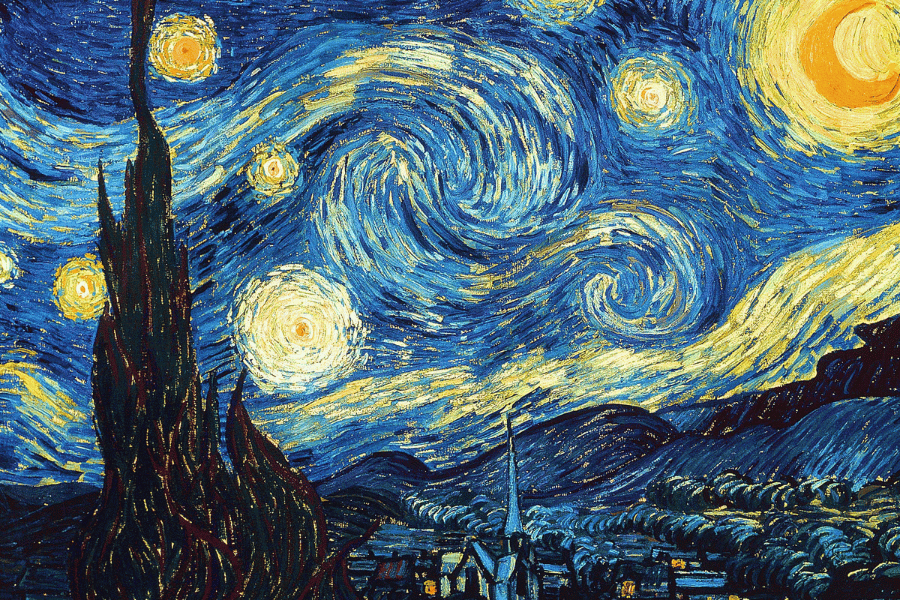
Vincent van Gogh was a Dutch Post-Impressionist painter known for expressive color, energetic brushwork, and a highly visible paint surface.

Claude Monet was a French Impressionist painter known for landscapes and repeated studies of changing light, color, and atmosphere.
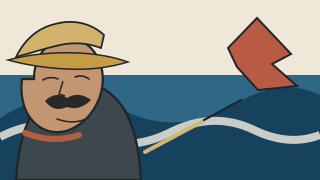
Winslow Homer was an American painter and illustrator known for direct, powerful scenes of the sea, coastal life, rural America, and people confronting the forces of nature.

Paul Klee was a Swiss-born German artist and Bauhaus teacher whose highly experimental work combined color, geometry, symbols, humor, music, and observations of nature.

Yayoi Kusama is a Japanese contemporary artist known for repeated dots and nets, large-scale installations, mirrored environments, sculpture, and paintings centered on ideas of infinity and self-obliteration.
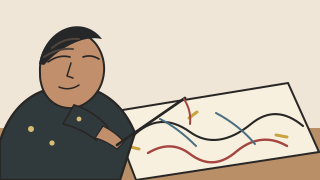
Jackson Pollock was an American Abstract Expressionist known for pouring, dripping, and flinging fluid paint across canvases laid on the floor.
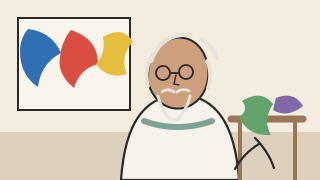
Henri Matisse was a French artist known for vivid color, simplified forms, Fauvist painting, and the gouache-painted paper cut-outs of his later career.

Georgia O'Keeffe was an American modernist known for close-up flowers, New Mexico landscapes, bones, architecture, and simplified natural forms.
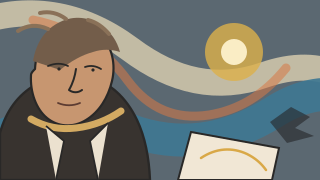
J. M. W. Turner was a British Romantic artist known for luminous landscapes, turbulent seas, dramatic weather, and increasingly expressive treatments of light and color.

Helen Frankenthaler was an American painter whose soak-stain technique helped reshape postwar abstraction by allowing thinned paint to soak directly into raw canvas.
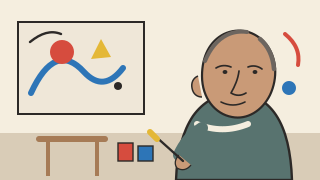
Joan Miró was a Spanish artist known for poetic symbols, biomorphic forms, vivid color, playful abstraction, and a highly personal visual language associated with Surrealism.

Edgar Degas was a French artist associated with the Impressionists who became known for ballet dancers, horse racing, portraits, and carefully observed scenes of modern Parisian life.
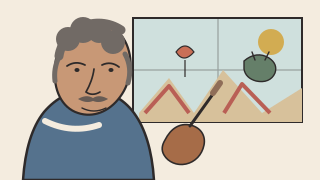
Marc Chagall was a Belarus-born French artist known for dreamlike scenes combining village memories, lovers, animals, folklore, religion, music, and vivid color.
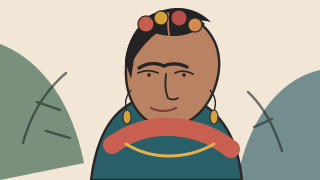
Frida Kahlo was a Mexican painter known for psychologically intense self-portraits and paintings exploring identity, family, physical pain, relationships, and Mexican culture.

Edward Hopper was an American realist known for quiet city interiors, roadside buildings, coastal landscapes, and scenes shaped by strong light, geometry, and psychological distance.
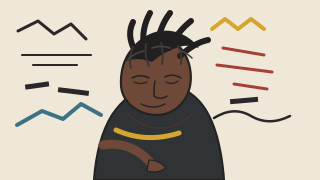
Jean-Michel Basquiat was an American artist whose paintings combined intense color, handwritten text, anatomy, crowns, cultural references, music, history, and the energy of New York street culture.

Jasper Johns is an American artist known for turning familiar symbols such as flags, targets, numbers, and maps into tactile paintings and objects that question how images are seen and understood.

Wassily Kandinsky was a Russian-born painter, teacher, and theorist who became a major pioneer of abstract art and explored how color, line, shape, and rhythm could convey emotion without relying on recognizable subjects.
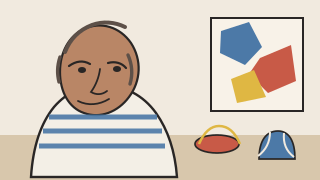
Pablo Picasso was a Spanish artist whose long career moved through many styles and media, from the Blue and Rose periods to Cubism, classicism, Surrealism, sculpture, printmaking, and ceramics.
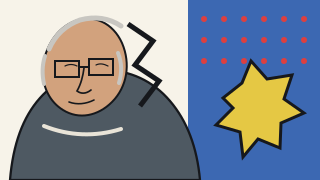
Roy Lichtenstein was an American Pop artist known for enlarging comic-book and advertising imagery into carefully constructed paintings using bold outlines, flat color, and patterns inspired by commercial printing.

Keith Haring was an American artist known for energetic outlined figures, public murals, subway drawings, vivid color, and an instantly recognizable visual language used to address social and political themes.

Devon Rodriguez is an American portrait painter from the South Bronx known for realistic paintings and drawings of New York City subway riders and for sharing his portrait process with a large social-media audience.

Sophie Tea is a contemporary painter known for vivid color, energetic drips and splats, abstract work, and body-positive paintings celebrating the female form. Her career has been built largely through direct online audiences and social media.

Abraham Joel Tobias was an American painter, muralist, and educator whose experiments with durable materials included pioneering use of ethyl silicate paint as a permanent medium for outdoor murals.

Billy Al Bengston was an American painter associated with postwar Los Angeles who adapted automotive lacquer, enamel, aluminum, and high-gloss finishing methods to fine-art painting.
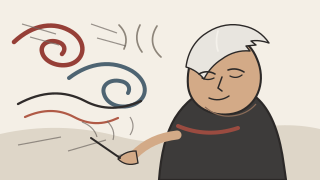
Cy Twombly was an American painter known for spare, gestural works that often combined oil-based house paint with crayon, pencil, and other drawing materials.

Édouard Vuillard was a French painter known for intimate interiors, gardens, patterned surfaces, and decorative compositions in distemper, oil, and other media.

Jacqueline Humphries is an American abstract painter known for reflective silver surfaces that shift with movement and light, combining metallic effects with layered, scraped, and gestural paint.
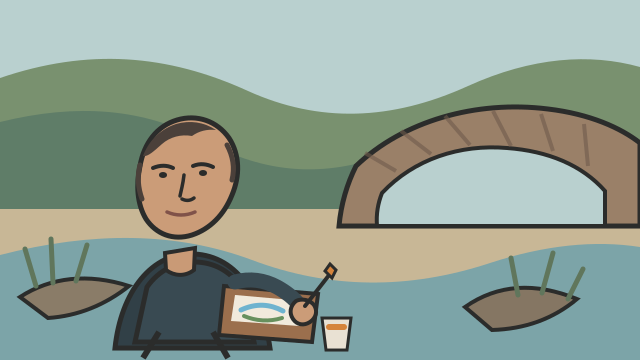
James Gurney is an American painter, illustrator, and author known for imaginative realism, outdoor sketching, and extensive work in casein, gouache, watercolor, and oil.

Jean Dubuffet was a French painter and sculptor who challenged conventional ideas of artistic refinement through rough surfaces, unruly figures, unconventional materials, and a long-running interest in Art Brut.

Judith Schaechter is an American artist known for stained-glass works that combine layered flash glass with engraving, sandblasting, vitreous paint, and silver stain. Trained as a painter, she treats stained glass as a pictorial medium rather than primarily as architectural decoration.

Reginald Marsh was an American painter and illustrator known for energetic scenes of New York City crowds, Coney Island, burlesque theaters, and street life.

Sidney Nolan was an Australian painter whose early work made extensive use of fluid, fast-drying commercial enamel paint, especially Ripolin, to build stark figures and landscapes with unusually direct color.

Tom Holland is an American painter and sculptor known for brightly colored works that combine painting with shaped aluminum or fiberglass, often finished with lustrous epoxy paint.

Yuval Gur is an Israeli composer and artist whose Tfila series turns paintings into interactive musical surfaces. He created his own conductive paint, uses it as a proximity sensor beneath oil paint, and maps different painted areas to pre-composed music.
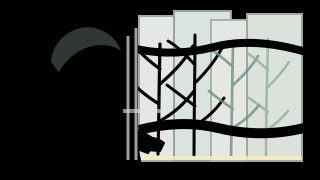
Bong-Chae Son is a South Korean painter known for layered oil landscapes painted on transparent polycarbonate sheets and often illuminated from behind.
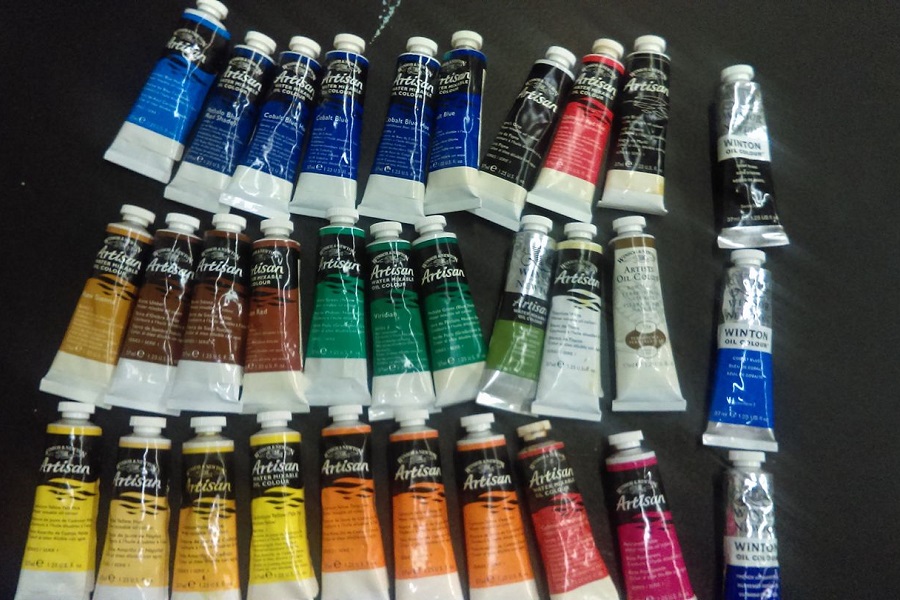
Articles about oil paint, materials, techniques, mediums, and painting methods.
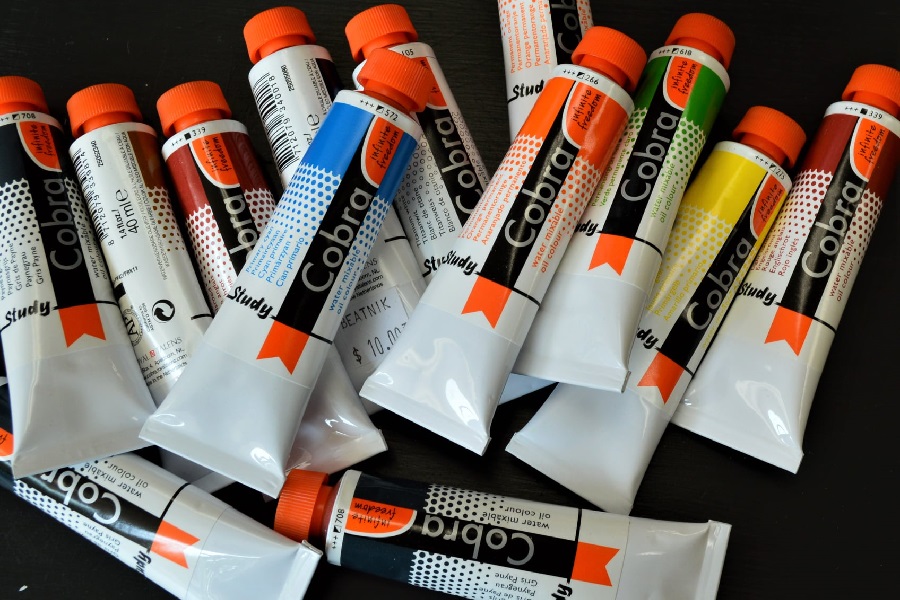
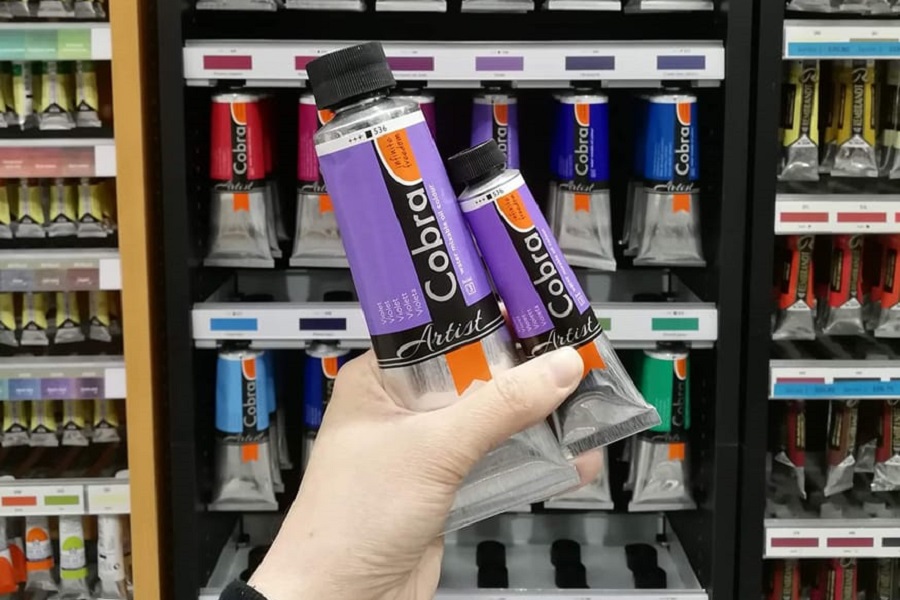
Subtopics: Water-Mixable Oil Paint · Bob Ross