
William Holman Hunt
William Holman Hunt was a British Pre-Raphaelite co-founder whose detailed oil paintings join religious narratives, symbolism, and Victorian subjects.
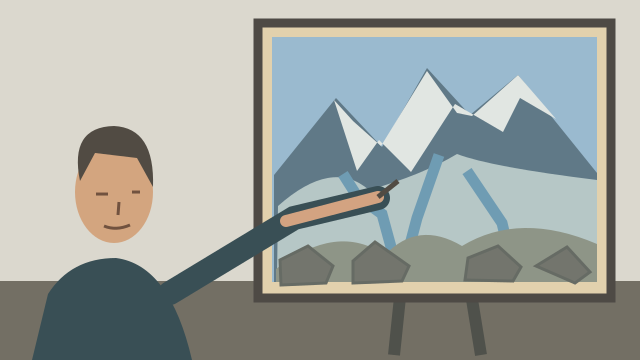
Painter
John Brett was an English Pre-Raphaelite painter known for intensely detailed Alpine landscapes, coastal panoramas, and close studies of nature.
Brett applied the close observation championed by Ruskin and the Pre-Raphaelites to landscape, later extending his attention to marine painting.
| Full name | John Brett |
|---|---|
| Born | 1831 · Surrey, England |
| Died | 1902 · London, England |
| Nationality | British |
| Movements | Pre-Raphaelite landscape tradition (associate, not a founding member) |
| Paint types | Oil Paint · Watercolor Paint |
| Other media | — |
| Other materials | — |
| Painting surfaces | Canvas · Paper |
| Painting methods | Painted details from close observation and on-location studies, combining watercolor with opaque bodycolor |
| Common subjects | Alpine glaciers, rocky mountains, seacoasts, changing light, and minute details of plants and stones |
| Notable works | Glacier of Rosenlaui · The Stonebreaker · Val d'Aosta · The British Channel Seen from the Dorsetshire Cliffs |
Sources: Tate: Glacier of Rosenlaui, oil on canvas, British Museum: Heartsease, watercolor and bodycolor on card, UK Government Art Collection: John Brett, landscape method and sea painting, Tate Shop: John Brett, detail in Glacier of Rosenlaui.
Brett used oil on canvas for geological studies and landscapes, applying Pre-Raphaelite attention to rocks, plants, and changing light in detail.

Brett used oil for detailed landscapes such as Val d’Aosta, where closely observed rocks, plants, and mountain light make the scene almost topographic. His precise finish links the foreground detail to a carefully measured distant view, while his watercolors record a separate, smaller-scale practice on paper.

Brett made watercolor studies and landscapes on paper, using transparent washes to record atmosphere, weather, and rapid changes in light. These sheets differ from the highly finished oil landscapes for which he is best known; they document an independent working format rather than sketches presumed from his style.
Sources: Tate: Glacier of Rosenlaui.; The Met: Bonchurch Downs, watercolor; The Met: Kynance
Records connect John Brett's use of canvas and paper to the named works below, showing how each support appears in the artist's practice and paintings.

Brett’s finished landscapes, including Val d’Aosta, are documented as oil on canvas. The large flexible support accommodates the wide mountain view and precise foreground detail that characterize his landscape painting. This museum-recorded format is distinct from his smaller watercolor works on paper.

Brett made watercolor drawings and studies on paper, documenting a compact medium for observing weather and landscape. The flexible sheet supports transparent washes and drawn detail, contrasting with the large oil canvases. His works on paper are a documented part of his practice rather than an inference from preparatory habits.
Sources: Tate: Glacier of Rosenlaui, oil on canvas, British Museum: Heartsease, watercolor and bodycolor on card, UK Government Art Collection: John Brett, landscape method and sea painting, Tate Shop: John Brett, detail in Glacier of Rosenlaui.
Hunt’s naturalism influenced Brett’s landscapes, while Millais also pursued detailed Pre-Raphaelite studies of nature, coastlines, and seascapes.
William Holman Hunt was a British Pre-Raphaelite co-founder whose detailed oil paintings join religious narratives, symbolism, and Victorian subjects.
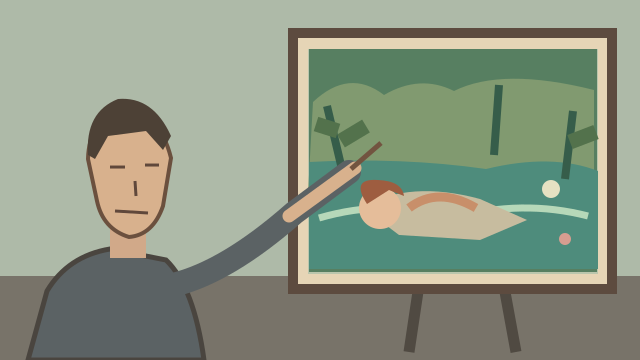
John Everett Millais was a British Pre-Raphaelite co-founder known for vivid oil paintings, precise landscapes, and literary subjects such as Ophelia.