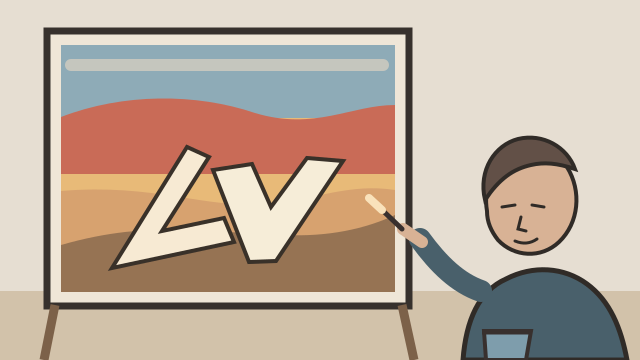
Ed Ruscha
Ed Ruscha is an American Pop artist known for oil and airbrushed acrylic word paintings, roadside imagery, and gunpowder works on paper and canvas.

Painter
Joe Goode was an American Pop artist known for oil-painted milk bottles, torn cloud canvases, and color fields exploring perception and physical surfaces.
Goode used oil paint on canvas and glass milk bottles, then cut or tore painted surfaces to expose underlying fabric in his cloud and sky works.
| Born | 1937 · Oklahoma City, Oklahoma, U.S. |
|---|---|
| Died | 2025 · Los Angeles, California, U.S. |
| Nationality | American |
| Movements | Los Angeles Pop art · West Coast postwar painting |
| Paint types | Oil paint |
| Painting surfaces | Canvas · Glass milk bottles · Masonite (documented house painting) |
| Painting methods | Painting broad color fields, adding real painted milk bottles, and cutting, scratching, or tearing painted canvases to expose raw cloth beneath |
| Common subjects | Milk bottles, houses, clouds, skies, oceans, atmospheric effects, and the relationship between an image and a physical object |
| Other materials | Attached painted glass bottles and extra canvas layers that alter the painting's physical depth |
| Notable works | Happy Birthday (1962) · Small Space (1963) · Torn Cloud Painting 73 (1972) |
Sources: SFMOMA: 1937–2025 chronology and birthplace, SFMOMA: Happy Birthday, oil on canvas and glass bottle, Whitney Museum: Small Space, oil canvas and painted milk bottle, Getty: Torn Cloud Painting 73, cutting and ripping canvas, SFMOMA: Untitled, from Torn Sky Paintings, oil and canvas, Smithsonian Archives: artist discussing milk bottles and perception, and Representing gallery: obituary confirming Los Angeles death in 2025.
The documented paint types in Joe Goode’s work include Oil; examples below connect each medium to a specific work and clarify its role in the image.

SFMOMA catalogs Happy Birthday as oil on canvas with a glass bottle, and the Whitney records Small Space as oil with a painted milk bottle. In his torn-cloud works, Goode cut or ripped the canvas to expose the fabric beneath the painted image.
Sources: SFMOMA: Happy Birthday, oil on canvas with glass bottle; Whitney Museum: Small Space, oil canvas and painted milk bottle; Getty: Torn Cloud Painting 73 and cut canvas; SFMOMA: Untitled, from Torn Sky Paintings, oil and canvas.
Records identify Joe Goode's use of canvas, glass, and painting board, with named examples below showing how each support functions in the finished work.

Goode used canvas for painted works including his Milk Bottle paintings, where the support carries a trompe-l’oeil image of a familiar container. The canvas format lets the illusion of a three-dimensional object remain visibly part of a flat painting, a central tension in this series.

Goode painted on glass in works that use transparency and reflection as part of the image. The slick, fragile support creates a different viewing experience from canvas, and is documented in museum and exhibition records as a deliberate material choice rather than an inferred surface.

Goode also painted on rigid board for selected works. This stable surface supports the crisp edges and smooth, controlled fields seen in his depictions of everyday objects, differing from the flexible canvas of his Milk Bottle series. The board is documented as a distinct support.
Sources: SFMOMA: 1937–2025 chronology and birthplace, SFMOMA: Happy Birthday, oil on canvas and glass bottle, Whitney Museum: Small Space, oil canvas and painted milk bottle, Getty: Torn Cloud Painting 73, cutting and ripping canvas, SFMOMA: Untitled, from Torn Sky Paintings, oil and canvas.
Explore Los Angeles painters concerned with Pop art, industrially influenced surfaces, color fields, optical effects, and the physical reality of paint.
Ed Ruscha is an American Pop artist known for oil and airbrushed acrylic word paintings, roadside imagery, and gunpowder works on paper and canvas.

Billy Al Bengston was a Los Angeles painter who adapted automotive lacquer, enamel, metallic paint, and aluminum to fine art and high-gloss surfaces.

Robert Irwin was an American artist whose oil paintings and sprayed acrylic discs led to pioneering work with light and perception in California.
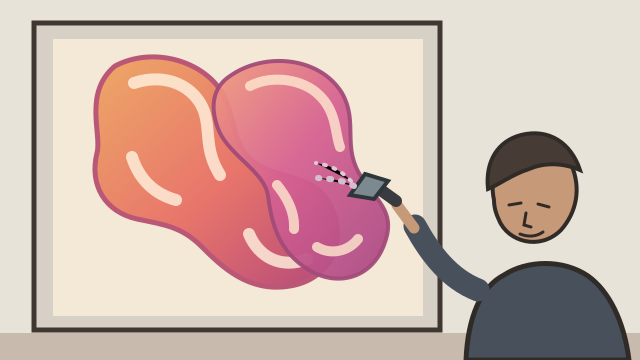
Craig Kauffman was a U.S. artist who spray-applied acrylic lacquer to vacuum-formed Plexiglas reliefs associated with Finish Fetish and Light and Space.