Molly Zuckerman-Hartung
Molly Zuckerman-Hartung is an American painter whose abstractions combine commercial paints with cut fabric, sewn supports, paper, and studio materials.
Painter
Amy Sillman is an American painter known for layered oil and acrylic paintings that move between abstraction and figuration through drawing and revision.
Amy Sillman shifts between oil, acrylic, and gouache, using layered color and drawn marks to move between abstraction and recognizable figures.
| Born | 1955 · Detroit, Michigan, U.S. |
|---|---|
| Died | — |
| Nationality | American |
| Movements | Contemporary abstraction |
| Paint types | Oil paint · Acrylic paint · Gouache |
| Painting surfaces | Canvas · Paper (drawings) |
| Painting methods | Layering, painting over earlier marks, redrawing, and repeatedly revising gestures and shapes |
| Common subjects | Abstraction, partial figures, ambiguous bodies, color relationships, humor, and movement |
| Known for | Large-scale paintings that combine physical brushwork, drawing, and continual revision |
| Notable works | Psychology Today · Mother · Split 2 |
Sources: Museum of Modern Art, Whitney Museum: Mother, Whitney Museum: painting process, MoMA: Split 2, SFMOMA.
Sillman uses oil and acrylic on canvas and gouache on paper; MoMA documents the combined paints in Split 2, while her paper works show another medium.

MoMA catalogs oil on canvas in Split 2 and Psychology Today. Across these paintings, Sillman revises layered forms and color rather than treating the canvas as a fixed design from the outset. These collection records document oil as one medium in a practice that also includes acrylic and works on paper.
MoMA identifies both acrylic and oil on canvas in Split 2, documenting Sillman’s use of the two media together in one painting. The catalog distinguishes the mixed media from her gouache works on paper. This example supports acrylic as a specific component of her canvas practice, without assigning all visible passages to one binder.
MoMA records gouache on paper in Somewhere through although sometimes. This work documents a water-based paint on a sheet rather than the oil-and-acrylic combinations used in Sillman’s canvases. The distinction matters because her practice moves between different supports and media instead of relying on one paint system.
Sources: MoMA: Split 2, MoMA: Amy Sillman collection.; Whitney Museum: Amy Sillman; SFMOMA: Amy Sillman
Sillman paints with oil and acrylic on canvas and uses gouache on paper; the examples below connect these supports to distinct approaches in her work.
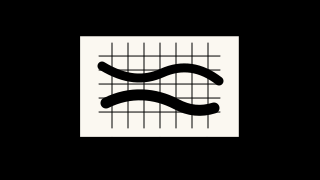
MoMA’s record for Split 2 identifies a large canvas painted with both oil and acrylic; its collection also includes the oil painting Psychology Today. Sillman’s canvas works use layered paint and revision, while her gouache example is on paper. These records establish canvas as a primary support in her painted work.

Sillman’s works on paper include MoMA’s gouache painting Somewhere through although sometimes and preparatory drawings collected by the Whitney. The paper works form a distinct part of her practice alongside large oil-and-acrylic canvases. The paint support is directly documented in the MoMA record, while the Whitney sources provide broader context for her drawing.
Sources: Museum of Modern Art, Whitney Museum: Mother, Whitney Museum: painting process, MoMA: Split 2, SFMOMA.
Painters such as Jacqueline Humphries and Charline von Heyl offer comparisons through gestural abstraction, revision, and experimental painted surfaces.
Molly Zuckerman-Hartung is an American painter whose abstractions combine commercial paints with cut fabric, sewn supports, paper, and studio materials.
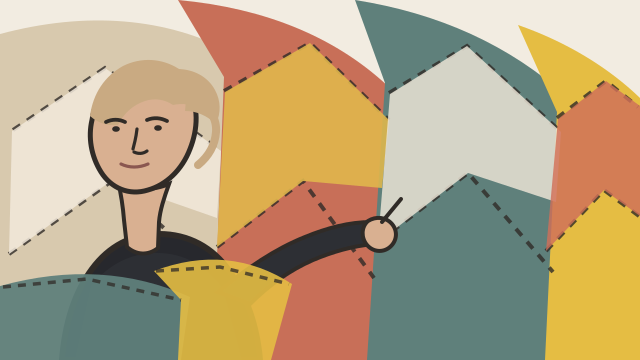
Sarah Crowner is an artist known for sewn paintings in linen and cotton, works on paper, and glazed-tile projects that extend abstraction into space.
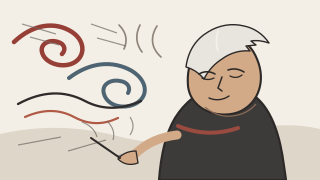
Cy Twombly was an American painter known for gestural works that often combined oil-based house paint with crayon, pencil, and other drawing materials.