David Hockney
David Hockney was a British artist known for vivid portraits, landscapes, and California swimming-pool scenes, as well as decades of experimentation with printmaking, photography, and digital drawing.

Paint Type
Acrylic paint is a fast-drying, water-based paint made with pigment and an acrylic polymer binder that forms a durable film on many prepared surfaces.
Acrylic paint works readily on many porous surfaces, while smooth materials generally need additional preparation for reliable adhesion.
| Surface | Compatibility | Preparation | Primer | Finish | Guide |
|---|---|---|---|---|---|
| Canvas | Excellent | Pre-primed canvas can usually be painted directly; raw canvas should be properly prepared. | Gesso for raw canvas | Optional varnish | — |
| Cardboard | Excellent for decorative projects | Use clean, dry, rigid cardboard and avoid saturating the fibers with heavy wet coats. | Optional gesso for a smoother, less absorbent painting ground | Usually optional; protect handled pieces with a compatible finish when needed | — |
| EVA Foam | Excellent with a flexible acrylic system | Use clean, dry foam and complete shaping, heat-forming, seams, and repairs before painting. | Use a flexible primer or sealer when the selected system requires one. | Use a flexible compatible topcoat when extra protection is needed. | — |
| Air-Dry Clay | Excellent on thoroughly dry clay | Let the piece dry completely, remove loose dust, and lightly smooth rough areas if needed. | Optional water-based craft sealer can reduce absorbency and create a more uniform surface. | Use a compatible clear finish when extra protection or sheen is wanted. | — |
| Polymer Clay | Excellent with a suitable water-based acrylic | Cure and cool the clay fully, remove dust or oily residue, and test the paint on a hidden area before coating the whole piece. | Usually not required; lightly prepare very smooth pieces when appropriate. | Use a polymer-clay-compatible glaze when additional sheen or protection is wanted. | — |
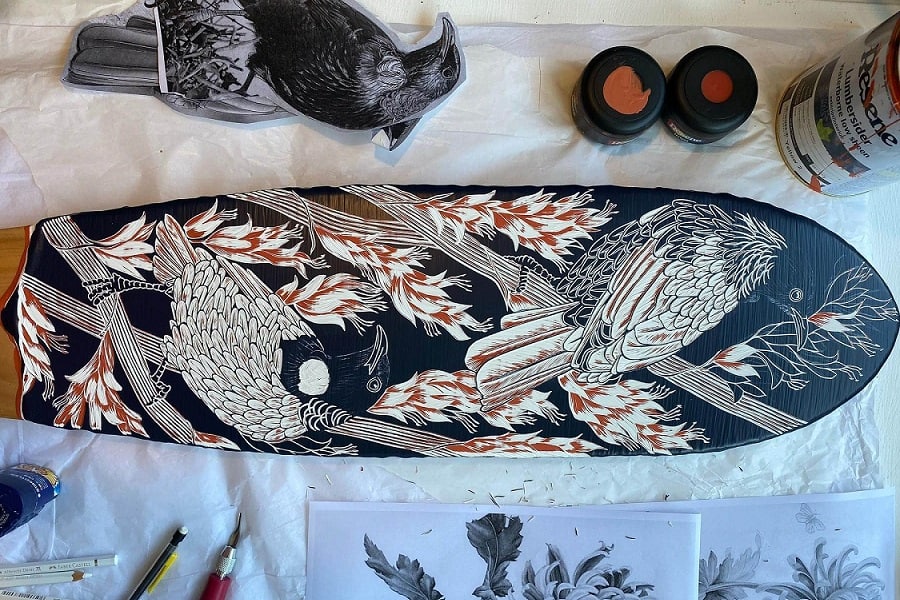
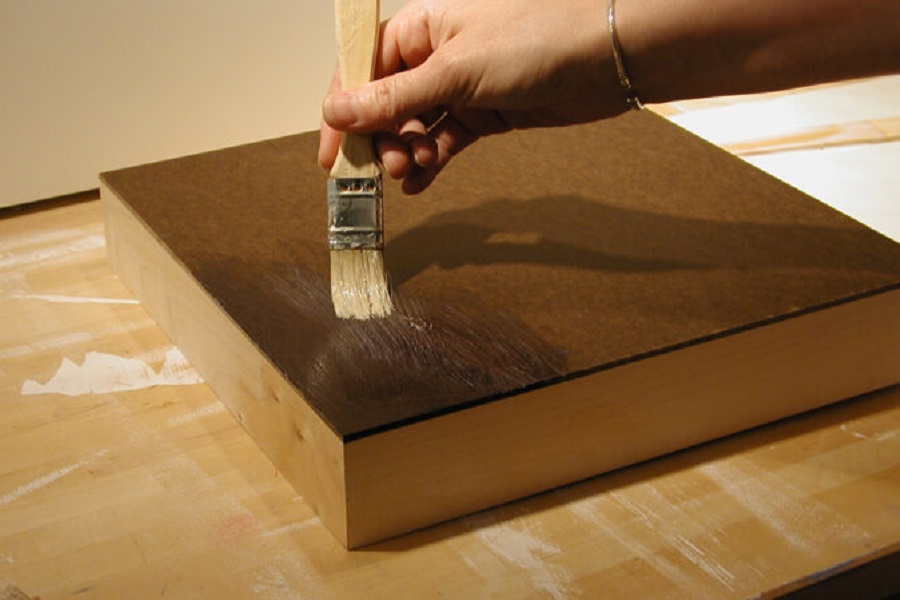
| Wood | Good | Clean and lightly sand smooth or sealed surfaces. | Recommended on bare or absorbent wood | Optional varnish; recommended for wear | — |
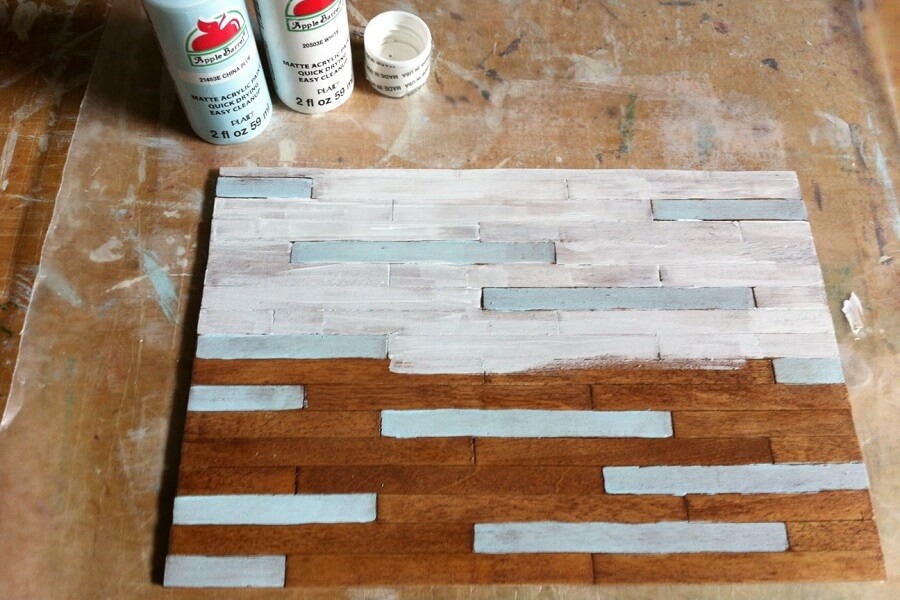
| Wood Veneer | Good for decorative use with preparation | Use sound, clean, dry veneer and lightly prepare sealed or glossy areas without sanding through the thin wood face. | Use a compatible primer or ground when the surface is sealed, glossy, or unevenly absorbent. | Protect handled or exposed decorative work with a compatible finish when needed. | — |
| Paper | Good | Use sufficiently heavy paper to reduce buckling. | Optional gesso | Usually optional | — |
| Foam Board | Good for many paper-faced boards | Use a clean, dry, flat board and apply controlled coats so the paper facing is not heavily saturated or warped. | Optional acrylic ground or gesso can provide a more uniform painting surface on a compatible paper facing. | Usually optional for display or craft use; protect only when the finished piece requires it. | — |
| Fabric | Good with the right medium | Wash and dry fabric first when appropriate; avoid fabric softener residue. | Use fabric-painting medium for flexibility and washability | Follow the medium's curing or heat-setting instructions | Fabric guide |
| Plexiglass | Good for decorative use | Remove dust, grease, and dirt with acrylic-safe cleaning methods; paint directly or lightly roughen the surface when the product and desired finish allow it. | Usually optional; use an acrylic-compatible adhesion primer when the selected system requires one. | Use a compatible clear finish only when additional protection is needed. | — |
| Polycarbonate | Formula-specific | Use plastic-safe cleaning methods, test the exact acrylic system for adhesion and compatibility, and avoid harsh solvents that can craze or stress-crack the sheet. | Use only a primer or acrylic ground known to be compatible with polycarbonate. | Prefer a compatible flexible coating system where the sheet may flex, and test the complete system before broad application. | — |
| Resin | Good for many decorative projects with preparation | Use fully cured, clean, dry resin free of release agents or polish and create light tooth when appropriate. | Acrylic ground or a compatible bonding primer can improve adhesion on very smooth resin. | Use a compatible protective finish for handled or exposed pieces. | — |
| Ceramic | Good for decorative use | Clean and dry thoroughly. | Product-specific | Use a compatible protective finish if needed | — |
| Drywall | Good with preparation | Use a clean, dry surface not previously painted with oil or alkyd paint. | Seal first, then apply two coats of gesso | Optional for ordinary interior decorative use | — |
| Plaster | Good when dry | Let new plaster cure and dry fully; remove dust and loose material. | Recommended on porous plaster | Optional indoors; protect if exposed to wear | Plaster guide |
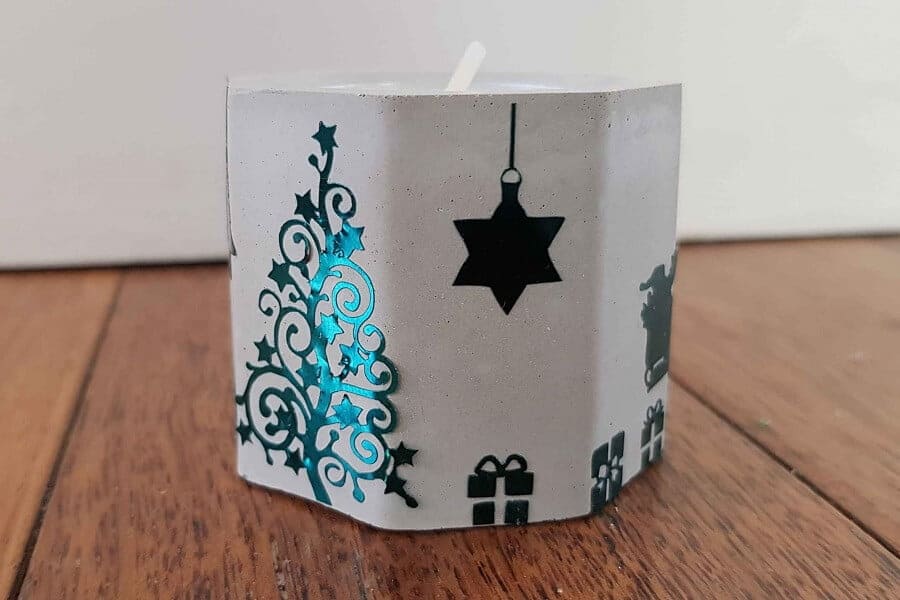
| Concrete | Good when fully cured and dry | Allow new masonry to cure and dry fully; remove loose material and surface contaminants. | Can be painted directly; sealing and gesso improve the painting ground | Choose for exposure and wear | — |
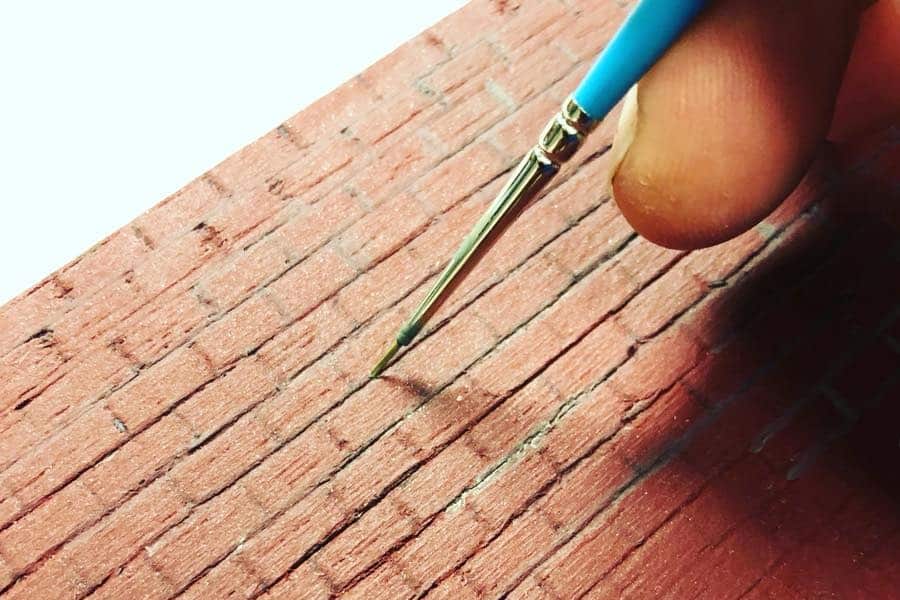
| Brick | Good for decorative use | Remove dust, loose material, and surface deposits; let the brick dry fully. | Seal porous brick or use a compatible masonry ground when needed | Choose a compatible system for handling or exposure | Brick paver guide |
| Plywood | Good for decorative use | Use clean, dry, stable plywood; smooth rough fibers and filled areas. | Seal or prime bare and absorbent plywood | Protect surfaces that will be handled or exposed | — |
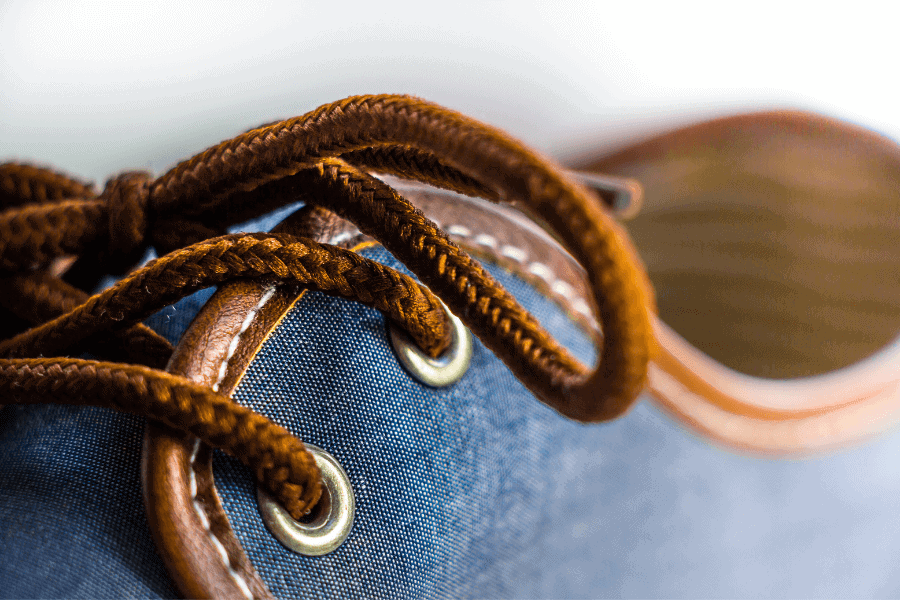
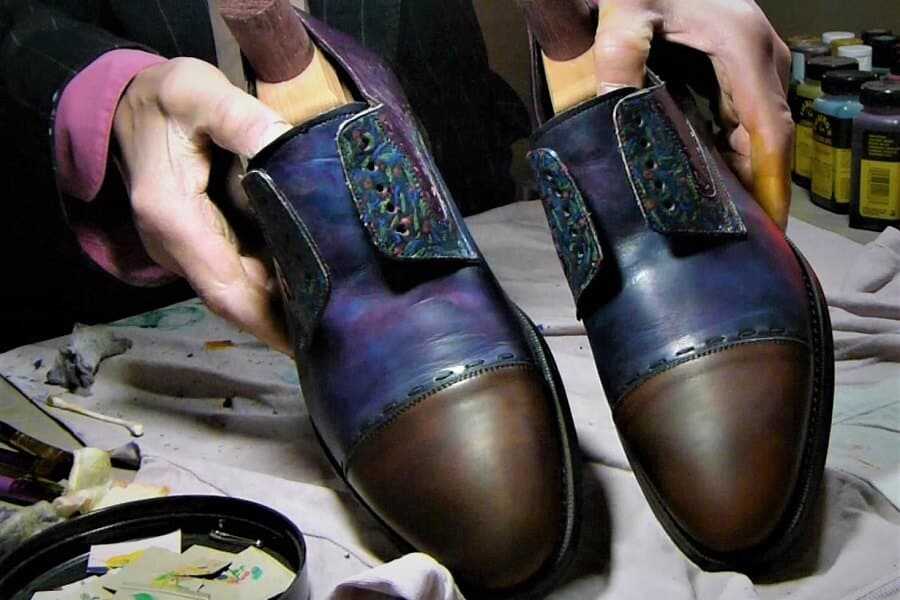
| Leather | Good with a suitable acrylic system | Wipe with a clean damp cloth, dry thoroughly, and test compatibility first. | Product-specific | Use a compatible flexible finish if needed | Leather guide |
| Denim | Good with the right fabric system | Pre-wash and dry wearable denim; avoid fabric-softener residue. | Not normally needed | Follow the exact paint or medium curing instructions | Acrylic denim guide |
| Tile | Good for suitable decorative projects | Clean and degrease thoroughly; glazed tile needs a product and preparation method designed for slick surfaces. | Use a bonding primer or ceramic-compatible acrylic system when required | Decorative use unless the complete system approves washing, water, heat, or wear | Removal guide |
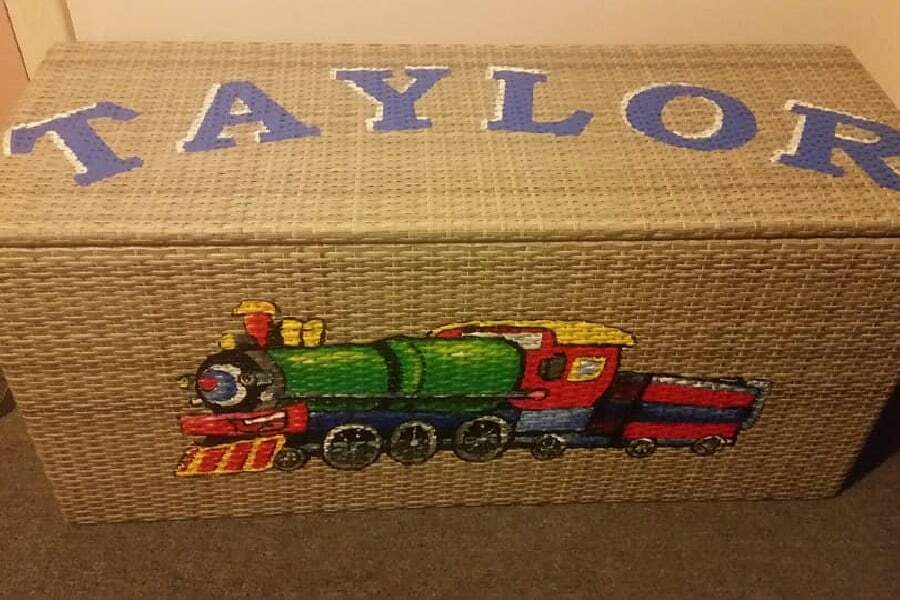
| Wicker | Good for decorative projects | Remove dust and loose coating; clean and dry thoroughly. | Product-specific | Choose a compatible finish for handling or exposure | Wicker guide |
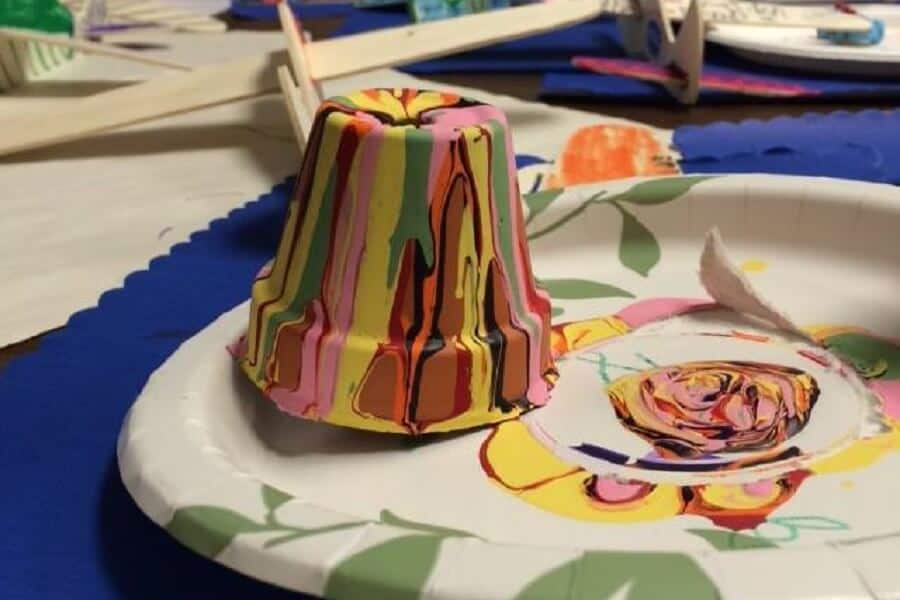
| Terra cotta | Good for decorative use | Clean and dry thoroughly. | Product-specific | Choose for handling or exposure | — |
| Stone | Good for decorative use | Clean and dry thoroughly; remove loose material. | Product-specific | Choose for handling or exposure | — |
| Porcelain | Good for suitable decorative projects with adhesion preparation | Clean and degrease thoroughly and test adhesion before coating a glazed surface. | Use an acrylic adhesion medium or bonding system approved for porcelain | Decorative unless the complete system approves washing, water, heat, or wear | — |
| Styrofoam | Good with suitable water-based acrylic | Keep the surface clean and dry; test first on delicate foam. | Product-specific | Optional for decorative use | — |
| Cinder Block | Good for small decorative projects | Remove dust, loose material, and deposits; make sure the block is fully dry. | Seal or prime the porous surface when needed | Use a compatible protective finish for handling or exposure | Faux stone guide |
| Particleboard | Good on properly prepared interior particleboard | Keep the board dry, sand as appropriate, remove dust, and avoid saturating raw faces or edges. | Seal and prime raw particleboard before applying a water-based acrylic topcoat | Choose a furniture-grade finish for handled surfaces | — |
| OSB | Good with a composite-wood-compatible system | Use dry, sound OSB; remove dust and loose strands and smooth only where needed. | Use a sealing or stain-blocking primer suited to composite wood | Match the coating to interior or exterior exposure | — |
| Copper | Good for decorative use with adhesion preparation | Remove grease, oxidation, loose patina, and polishing residue before painting. | Use an acrylic adhesion medium or nonferrous-metal-compatible primer | Protect handled or exposed pieces with a compatible finish | — |
| Brass | Good for decorative use with adhesion preparation | Remove grease, tarnish, wax, and polishing residue before painting. | Use an acrylic adhesion medium or nonferrous-metal-compatible primer | Protect handled pieces with a compatible finish | — |
| Plastic | Variable | Identify the plastic first; clean and add light tooth when the material safely allows it. | Adhesion medium, matte medium, or suitable primer may be needed | Protective finish often useful | — |
| Clay | Variable by clay type | Identify whether the clay is air-dry, polymer, fired ceramic, terra cotta, or another material and complete the required drying, curing, or firing first. | Optional on porous craft clay; smooth or glazed clay may require a product-specific bonding system. | Choose a finish compatible with the exact clay and paint system. | — |
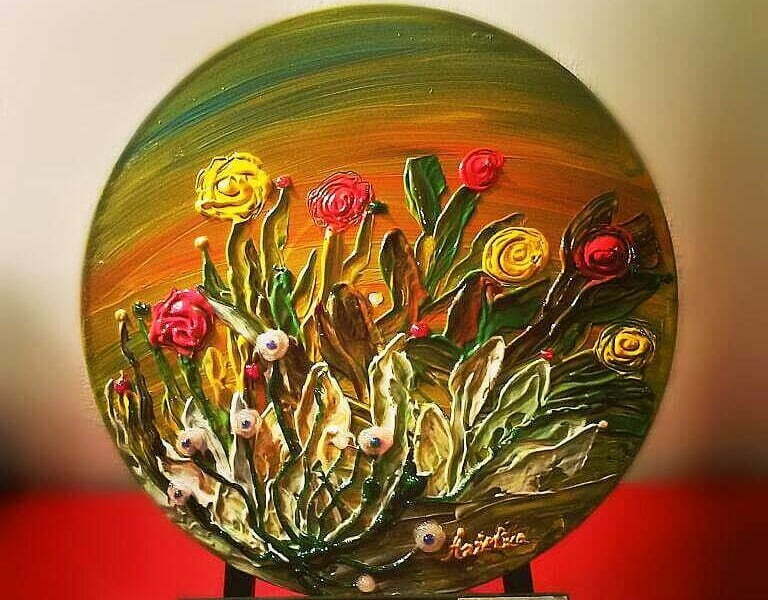
| Vinyl | Decorative use only | Clean thoroughly. Do not sand playable grooves; painting the grooves prevents normal playback. | Adhesion-promoting ground or suitable primer recommended | Protective varnish recommended for display pieces | Vinyl record guide |
| Glass | Preparation required | Degrease thoroughly; smooth glass needs extra adhesion preparation. | Adhesion medium or suitable primer recommended | Use a glass-compatible system for handled or washed items | — |
| Metal | Preparation required | Degrease and create tooth by sanding or another suitable surface-prep method. | Water-compatible industrial primer recommended | Protective finish recommended for handling or exposure | — |
| Aluminum | Preparation required | Degrease and abrade or etch appropriately before painting. | Water-compatible industrial primer recommended | Protective finish recommended for handling or exposure | Aluminum guide |
| Fiberglass | Preparation required | Sand or sandblast the surface and remove residual dust. | Use a suitable primer-sealer, test adhesion, then apply gesso | Protective varnish recommended | — |
| Rubber | Limited and product-specific | Clean thoroughly and remove only the factory finish or contamination that the selected acrylic system instructs you to remove. | Use a compatible adhesion additive when the exact acrylic system approves rubber. | Best for low-wear or decorative areas; ordinary acrylic paint may eventually peel from flexible rubber. | — |
Sources: Liquitex surface customization, Liquitex surface preparation, DecoArt Americana Acrylics, DecoArt cardboard acrylic project, Tikkurila particleboard painting guidance, DecoArt Americana adhesion medium, Benjamin Moore composite-wood acrylic paint, Angelus rubber-paint guidance, PlaidFX EVA foam guidance, Crayola air-dry clay decorating guidance, PLEXIGLAS painting guidance, SABIC LEXAN sheet painting guidance, and Sculpey polymer clay FAQs.
Browse PaintZeal painter profiles featuring artists who used acrylic paint, with attention to the materials, techniques, and working methods they employed.
David Hockney was a British artist known for vivid portraits, landscapes, and California swimming-pool scenes, as well as decades of experimentation with printmaking, photography, and digital drawing.

Andy Warhol was an American Pop artist known for transforming consumer products, celebrities, and mass-media photographs into paintings and repeated screen-printed images.

Yayoi Kusama is a Japanese contemporary artist known for repeated dots and nets, large-scale installations, mirrored environments, sculpture, and paintings centered on ideas of infinity and self-obliteration.

Helen Frankenthaler was an American painter whose soak-stain technique helped reshape postwar abstraction by allowing thinned paint to soak directly into raw canvas.

Jean-Michel Basquiat was an American artist whose paintings combined intense color, handwritten text, anatomy, crowns, cultural references, music, history, and the energy of New York street culture.

Keith Haring was an American artist known for energetic outlined figures, public murals, subway drawings, vivid color, and an instantly recognizable visual language used to address social and political themes.

Ashley Longshore is an American contemporary painter, sculptor, and entrepreneur known for brightly colored Pop-inspired work combining celebrity imagery, fashion, text, humor, feminism, and consumer culture.

Sophie Tea is a contemporary painter known for vivid color, energetic drips and splats, abstract work, and body-positive paintings celebrating the female form. Her career has been built largely through direct online audiences and social media.

Slawn, born Olaolu Akeredolu-Ale, is a Nigerian-born contemporary artist known for raw, graphic paintings that combine street-art energy, recurring caricatured faces, Yoruba identity, humor, and social commentary.

Kiptoe, also known as Matt Dean, is an American mural artist, painter, and filmmaker known for colorful large-scale walls, character-driven visual storytelling, and videos documenting ambitious public-art projects.

Sarah Kraning is an American painter with auditory-visual synesthesia who translates music into color, texture, and movement, creating abstract paintings that function as visual responses to songs and live performances.

Billy Al Bengston was an American painter associated with postwar Los Angeles who adapted automotive lacquer, enamel, aluminum, and high-gloss finishing methods to fine-art painting.

Bridget Riley is a British painter known for tightly controlled abstract compositions that create optical movement through repeated lines, curves, shapes, and carefully calibrated color relationships.

Joe Cornelius is a mural painter and educator known as Mural Joe, combining an early painting-contractor background with large-scale mural work and practical instruction on how painted visual effects are built.

Mary Corse is an American painter known for luminous white paintings that combine acrylic paint with reflective glass microspheres so the surface changes with light and the viewer's position.

Molly Zuckerman-Hartung is an American painter known for materially experimental abstraction that can combine latex house paint, enamel, spray paint, cut and sewn drop cloth, and other everyday studio materials.
Peter Halley is an American painter known for geometric images of cells, prisons, and conduits built from fluorescent Day-Glo acrylic color and deliberately artificial commercial textures.

Rafael Canogar is a Spanish painter, sculptor, and printmaker known for postwar abstraction and recent acrylic paintings made on polycarbonate.
Sigrid Sandström is a Swedish painter whose work moves between landscape and abstraction, including documented acrylic paintings on polycarbonate.
Articles about acrylic paint, preparation, compatibility, application, sealing, and creative projects.