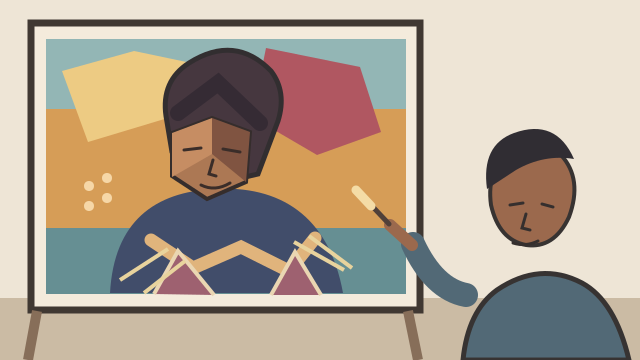
Derrick Adams
Derrick Adams is an American painter who combines geometric portraits, acrylic color, and paper, fabric, and painted wood into layered compositions.
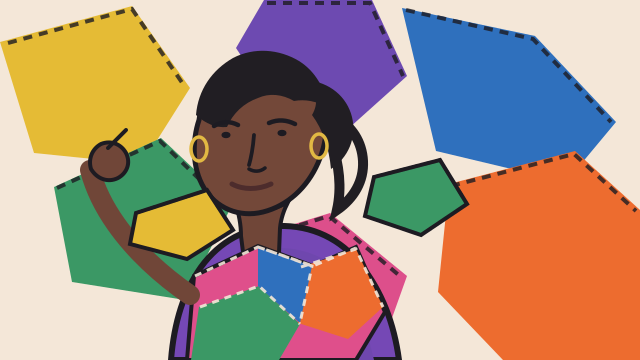
Painter
Tschabalala Self builds figurative paintings from paint, printed imagery, and sewn fabric, using material collage to depict Black life and identity.
Tschabalala Self combines painted passages, printed imagery, and sewn fabric in figurative works exploring Black life, identity, and the body.
| Full name | Tschabalala Self |
|---|---|
| Born | 1990 · Harlem, New York, U.S. |
| Died | — |
| Nationality | American |
| Movements | Contemporary figuration |
| Paint types | Acrylic paint · Watercolor · Flashe (vinyl paint) · Milk paint |
| Other media | — |
| Other materials | Fabric, including cotton cloth, denim, and silk · gum · paper · painted canvas · sewn elements |
| Painting surfaces | Canvas · Fabric · Cotton · Denim · Silk · Paper |
| Painting methods | Constructing figures from cut fabric and paper, sewing them to canvas, then painting and printing across the collage |
| Common subjects | Black figures, femininity, identity, race, gender, sexuality, desire, and everyday urban life |
| Notable works | Lite · Ol’Bay · Baton Rouge |
Sources: ICA Boston collection announcement, ICA Boston: Tschabalala Self: Out of Body, EMMA: Tschabalala Self: Around the Way, Galerie Eva Presenhuber: Spaces and Places, and Petzel: The Viewing Room.
ICA Boston records acrylic, watercolor, Flashe, and milk paint in Self’s compositions, where distinct media contribute to layered painted images.
ICA Boston records Lite (2018) as acrylic, Flashe, milk paint, gum, and fabric on canvas. Acrylic is one painted component within Self’s stitched and layered composition, and the collection record distinguishes the canvas support from the materials assembled over it.
The ICA’s materials list for Out of Body includes watercolor alongside acrylic and Flashe. The museum records these as separate media in a composition that also incorporates cut and sewn fabric, showing watercolor as one painted element within Self’s layered construction.
ICA Boston identifies Flashe by name in Out of Body, separately from acrylic and watercolor. The vinyl-based paint contributes color within a composition that also uses cut fabric, so it is one element in a broader painted and sewn construction.
ICA Boston’s record for Lite (2018) lists milk paint with acrylic, Flashe, gum, and fabric. The entry documents a combined-media canvas and identifies several materials working together, rather than suggesting that milk paint alone supplies the image’s painted surface or color.
Sources: ICA Boston: Out of Body, ICA Boston: acquisition record for Lite.; EMMA: Tschabalala Self: Around the Way
Self combines canvas with sewn and found textiles, including denim and silk, and works on paper; records document these separate materials in collections.
ICA Boston records Lite (2018) as acrylic, Flashe, milk paint, gum, and fabric on canvas. The canvas carries painted passages and attached textile, functioning as the ground for a composition assembled from several materials. Its support is identified directly in the collection record.

Self stitches found fabric into painted compositions, using cloth to build and extend the figures rather than treating it as a background alone. The Philadelphia Museum of Art describes this process in Pant, where sewn fabric on canvas connects the construction to clothing and domestic labor.

EMMA records cotton cloth in works including Around the Way. Self combines the textile with painted canvas and thread, leaving cloth visible as both a material with its own pattern and a component of the constructed figure. The museum documentation distinguishes it from the paint layer.

Self uses denim in works such as Sprewell (2020), recorded by the Guggenheim with denim jeans, fabric, printed materials, and thread on canvas. The worn garment material becomes part of a layered figure rather than a conventional painting ground. The object record lists denim separately.

Galerie Eva Presenhuber documents silk in Self’s Sprewell (2020), alongside jeans, fabric, painted canvas, paper, thread, and acrylic. The work shows silk as one textile within a sewn and collaged construction built over canvas. Its material list names silk explicitly.

Self uses paper in printed and painted elements within mixed-media works. The Guggenheim’s record for Sprewell lists painted paper and newsprint among the materials assembled on canvas, distinguishing these components from the underlying support. The paper remains a visible element in the collage.
Sources: ICA Boston collection announcement, ICA Boston: Tschabalala Self: Out of Body, EMMA: Tschabalala Self: Around the Way, Galerie Eva Presenhuber: Spaces and Places, Petzel: The Viewing Room, Guggenheim: Sprewell
Compare Self with painters who combine figuration and textile or collage, using layered materials to build images across painting and sculpture.
Derrick Adams is an American painter who combines geometric portraits, acrylic color, and paper, fabric, and painted wood into layered compositions.
Molly Zuckerman-Hartung is an American painter whose abstractions combine commercial paints with cut fabric, sewn supports, paper, and studio materials.
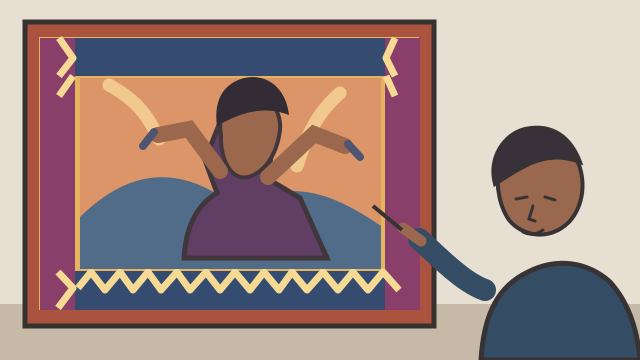
Emma Amos was an American painter whose oil and acrylic figures on canvas often incorporate handwoven textiles and African fabric borders in many works.
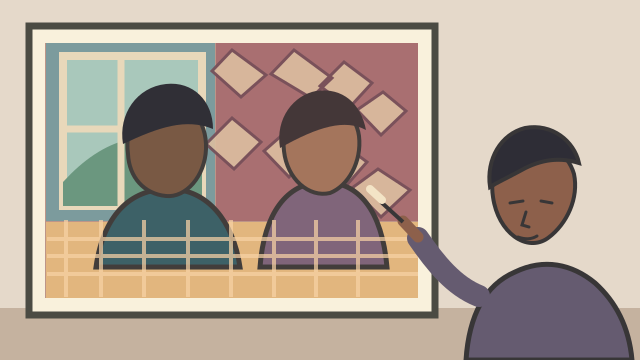
Njideka Akunyili Crosby is a Nigerian-born painter known for layered acrylic scenes on paper combining photo transfers, collage, and domestic imagery.
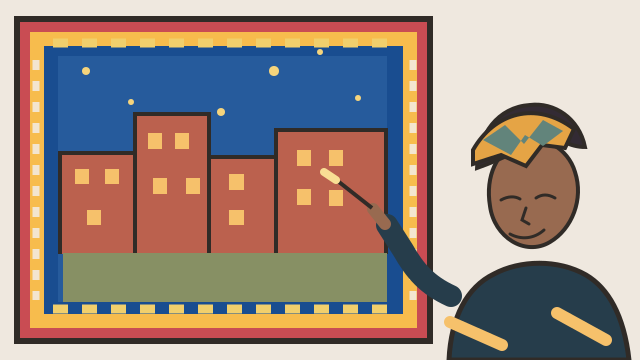
Faith Ringgold was an American painter whose oil paintings and acrylic story quilts combine fabric, painted canvas, and Black American narratives.
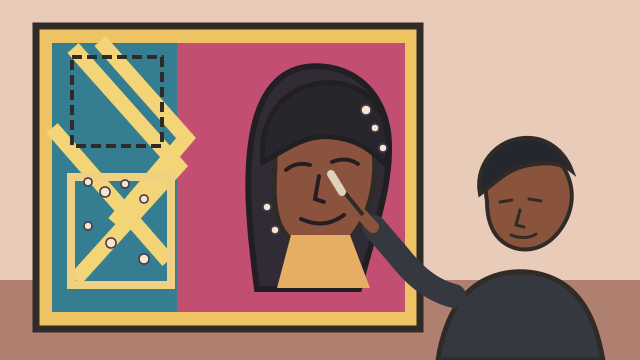
Mickalene Thomas is an American painter known for acrylic and enamel portraits with rhinestones, collage, and patterned interiors celebrating Black women.