

Painting Surface
Aluminum
Aluminum is a lightweight nonferrous metal that quickly forms a protective oxide layer in air, changing how primers and paints bond to its surface.
Paint compatibility with aluminum
Aluminum can take many coatings after cleaning and abrasion, but its oxide layer affects adhesion, so match the primer to the alloy and paint system.
| Paint | Compatibility | Preparation | Primer or ground | Finish | Guide |
|---|---|---|---|---|---|
| Spray paint | Good with an aluminum-compatible system | Remove oxidation and loose coating; clean, degrease, dry, and abrade as directed. | Use an aluminum or self-etching primer when the system requires it. | Apply the specified topcoat and observe its recoat and curing times. | — |
| Enamel paint | Good over a suitable primer | Clean, degrease, and prepare the aluminum for adhesion. | Use an aluminum-compatible primer followed by the approved enamel. | Product-specific. | — |
| Latex paint | Good with an approved primer and topcoat | Remove oxidation and loose coating; clean, degrease, and dull the surface. | Use a compatible aluminum primer unless the coating system approves direct application. | Choose a coating rated for the location and exposure. | — |
| Acrylic paint | Good with preparation | Degrease and create tooth with a suitable abrasion method. | Use a water-compatible metal primer approved for aluminum. | Protect handled or exposed work with a compatible finish. | Acrylic aluminum guide |
| Alkyd paint | Good when the complete system approves aluminum | Remove oxidation and loose coating; clean, degrease, and prepare for adhesion. | Use an aluminum-compatible primer unless direct application is approved. | Use a topcoat rated for interior or exterior exposure. | — |
Sources: Rust-Oleum Professional Aluminum Primer Spray, Rust-Oleum Latex Aluminum Primer, Behr Direct-To-Metal Paint, and Krylon Self Etching Primer.
Painters who used aluminum
These profiles document painters who used aluminum panels or objects, with each row distinguishing the metal support from paint, backing, or embellishment.
-

Frank Stella
Stella’s Giufà, la luna, i ladri e le guardie (1984) combines painted canvas with etched magnesium, aluminum, and fiberglass in a projecting relief. Its metal construction belongs to his later assembled works, rather than the canvas-based Aluminum Paintings of 1960.
-

Billy Al Bengston
Bengston’s Hatari (1968) uses polyester resin and lacquer on aluminum, as LACMA records. He brought the materials of custom automotive finishing onto a metal panel, making the smooth, glossy surface part of the painting’s color and appearance.
-
Christopher Wool
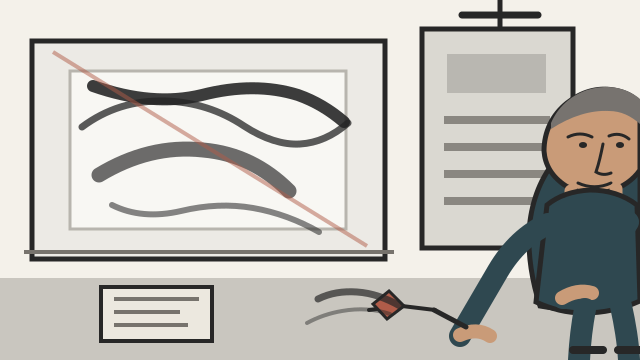
Wool’s Untitled (1990) places large black stenciled letters on an aluminum panel coated with enamel. MoMA describes how the interrupted spacing makes the phrase difficult to read at once, turning the hard industrial surface into a field for carefully arranged text.
-

Tom Holland
Holland’s Luna (1977) uses epoxy paint on aluminum, as the Whitney records. The shaped metal panel carries both the painted image and the work’s silhouette, bringing the edges and projecting form of the support into the composition.
-

Raqib Shaw
Shaw painted The Final Submission in Fire on Ice (2021–22) with acrylic liner and enamel on aluminum. The National Portrait Gallery identifies the metal support beneath the self-portrait’s elaborate imagery, giving a specific example of his decorated panel paintings.
-

Mary Corse
Corse’s five-panel Untitled (2020) uses glass microspheres in acrylic on powder-coated aluminum. The coating covers the metal while the microspheres reflect light, extending her light-responsive painting into a rigid, multipart work whose appearance changes with the viewer’s position.
-

Betsy Eby
Art in Embassies records The New World as encaustic on canvas over an aluminum panel. This entry refers to the rigid metal backing beneath the textile, not to exposed aluminum as the painted surface or to metallic pigment. The work documents aluminum as a structural support in Eby’s layered construction.
-
Josephine Halvorson
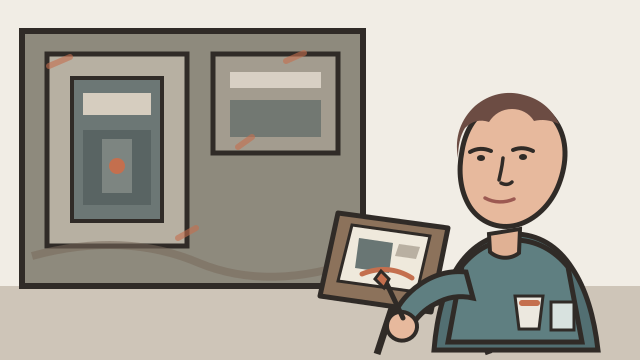
Halvorson’s Ground View paintings use Dibond, an aluminum-and-plastic composite, beneath a prepared ground. Boston University describes how she sands the ground until it feels like paper, giving her observational paintings a rigid panel with a finely worked painting surface.
-

Robert Irwin
Irwin’s Untitled (1967–68) at the Norton Simon Museum is a disc painting made with acrylic lacquer on aluminum. The curved metal surface and surrounding illumination let the painted object merge visually with its shadows and the wall behind it.
-

Roy Thurston
Thurston’s Untitled (2005-2) combines milled aluminum with acrylic polyurethane, as LACMA records. The machined face remains visible through the coating, so the panel’s worked metal surface contributes to the reflections and changing light within the finished painting.
Sources: MoMA: Stella’s Giufà relief; LACMA: Bengston’s Hatari; MoMA: Wool’s Untitled; Whitney: Holland’s Luna; National Portrait Gallery: Shaw’s self-portrait; Pace Gallery: Corse’s aluminum panels; Art in Embassies: Eby’s canvas over aluminum; Boston University: Halvorson’s Dibond supports; Norton Simon Museum: Irwin’s disc painting; LACMA: Thurston’s milled aluminum.
Aluminum paint articles
These guides cover acrylic paint on aluminum, painting foil tape, and removing old coatings from boats and window frames before surface preparation.