
Mary Corse
Mary Corse is an American painter whose white acrylic paintings incorporate reflective glass microspheres, shifting with light and the viewer's position.

Painter
Roy Thurston is an American artist known for acrylic polyurethane and silicone coatings on milled aluminum panels that shift with reflected light.
Thurston applies clear and pigmented industrial coatings to carefully milled and burnished aluminum surfaces that change color and depth with light.
| Born | 1949 · Huntington, New York, U.S. |
|---|---|
| Died | — |
| Nationality | American |
| Movements | Southern California Light and Space (associated context) |
| Paint types | Pigmented acrylic polyurethane · colored silicone coatings (selected works) |
| Painting surfaces | Hand-milled aluminum panels · Copper panels (selected works) |
| Painting methods | Hand milling metal panels, applying clear or colored polyurethane and silicone, combing textures, and burnishing reflective surfaces |
| Common subjects | Monochrome color fields, shifting light, reflectivity, optical depth, changing surface textures, and spatial perception |
| Other materials | Milled and occasionally concave metal forms; silicone used as a coating rather than a conventional artist acrylic |
| Notable works | 2001-8 (2001) · Untitled (2005-2) (2005) · 2016-1 (2016) |
Sources: LACMA: Untitled (2005-2), milled aluminum and acrylic polyurethane, Buffalo AKG: 2001-8, acrylic and polyurethane on aluminum, Pomona College Museum: pigmented polyurethane, silicone and light effects, Artist's studio: 2016-1, pink silicone on aluminum, Artist portfolio: milled copper with acrylic polyurethane, LACMA: related Finish Fetish and Light and Space art, and Los Angeles Times: milled metal, combed coatings, concave panels.
Records document Roy Thurston’s use of Acrylic polyurethane; examples below link each paint medium to a specific work and its role in the image.

LACMA records Untitled (2005-2) as acrylic polyurethane on hand-milled aluminum and notes Thurston’s preference for its clear finish. The Buffalo AKG also records acrylic and polyurethane on aluminum in 2001-8; other documented works use silicone as a separate surface coating.
Sources: LACMA: Untitled (2005-2), acrylic polyurethane on aluminum; Buffalo AKG: 2001-8, acrylic and polyurethane on aluminum; Pomona College Museum: pigmented polyurethane and silicone surfaces; Roy Thurston studio: 2016-1, silicone on aluminum.
Roy Thurston's documented works use aluminum and copper; examples clarify whether each is the painted ground, support, or part of the object.

Thurston’s paintings use hand-milled aluminum panels prepared for acrylic polyurethane. LACMA records Untitled (2005-2) on the material, noting the artist’s interest in the clear finish; the machined surface remains visible beneath the coating. The collection record identifies aluminum in the work’s documented construction.

Thurston also painted on copper panels in selected works, using the metal support for pigmented coatings and light effects. The rigid reflective surface differs from aluminum and carries distinct material treatments; collection records document copper in specific works. The collection record identifies copper in the work’s documented construction.
Sources: LACMA: Untitled (2005-2), milled aluminum and acrylic polyurethane, Buffalo AKG: 2001-8, acrylic and polyurethane on aluminum, Pomona College Museum: pigmented polyurethane, silicone and light effects, Artist's studio: 2016-1, pink silicone on aluminum, Artist portfolio: milled copper with acrylic polyurethane.
Explore painters linked through reflective coatings, metallic supports, Light and Space experiments, polished finishes, and changing color perception.
Mary Corse is an American painter whose white acrylic paintings incorporate reflective glass microspheres, shifting with light and the viewer's position.

Norman Zammitt was a Canadian-born American Light and Space painter known for acrylic color-band canvases mixed to mathematical progressions of light.
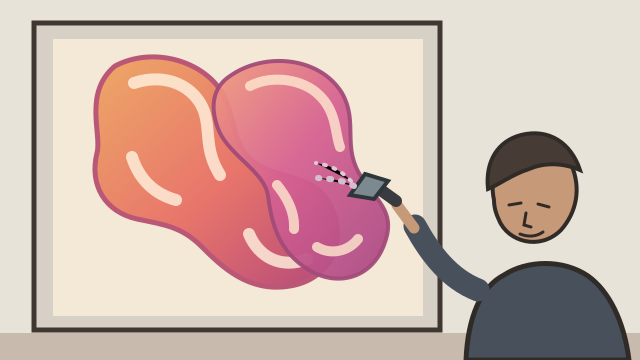
Craig Kauffman was a U.S. artist who spray-applied acrylic lacquer to vacuum-formed Plexiglas reliefs associated with Finish Fetish and Light and Space.

Robert Irwin was an American artist whose oil paintings and sprayed acrylic discs led to pioneering work with light and perception in California.