
Painting Surface
Cardboard
Cardboard is a lightweight, absorbent paper-based sheet material whose fibers and corrugated layers can soften or warp when exposed to heavy wet coats.
Paint compatibility with cardboard
Acrylic and tempera suit many cardboard projects; apply light coats to limit warping, and use spray paint only when its label allows the specific board.
| Paint | Compatibility | Preparation | Primer or ground | Finish | Guide |
|---|---|---|---|---|---|
| Acrylic paint | Excellent for decorative projects | Use clean, dry, rigid cardboard and avoid saturating the fibers with heavy wet coats. | Optional gesso for a smoother, less absorbent painting ground. | Usually optional; use a compatible clear finish only when extra handling protection is needed. | — |
| Tempera paint | Excellent for crafts and school art | Use clean, dry cardboard and keep paint and added water moderate to reduce softening or warping. | Usually not required. | Decorative; keep the finished cardboard dry and protect it from abrasion. | — |
| Spray paint | Good with a cardboard-compatible product | Remove dust, keep the cardboard dry, and apply thin even coats rather than soaking the surface. | Often not required for decorative use; follow the selected product instructions. | Product-specific; add a compatible clear coat only when needed. | — |
Sources: DecoArt cardboard acrylic project, Crayola Premier Tempera Paint, and Montana STENCIL Spray.
Painters who used cardboard
These profiles document works made on cardboard, including painted sheets and repurposed packaging; the entries distinguish cardboard from other supports.
-
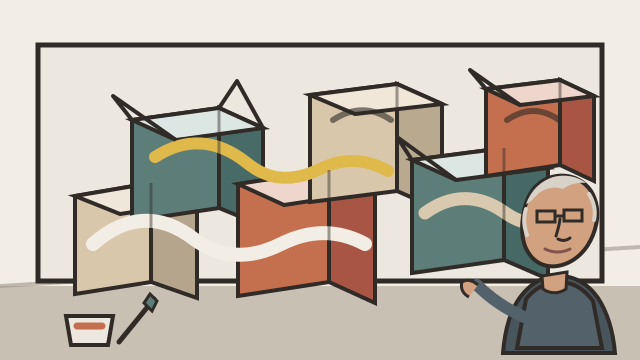
Justen Ladda
Ladda used cardboard packaging in paintings and collages, including the washing-powder boxes in Tide (1985). He painted and assembled the printed containers into the work, leaving their everyday form legible; cardboard here is a found object as well as a surface receiving paint.
-

Alphonse Mucha
The Mucha Foundation records Page’s Costume as a pencil and watercolor study on cardboard, and a separate magazine-heading design in pen and ink on the same support. These records show cardboard used for both painted studies and graphic design, distinct from the large canvases of The Slav Epic.
-
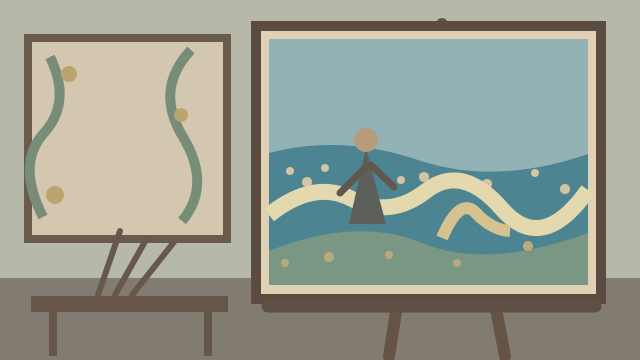
Jan Toorop
Toorop painted on cardboard in works such as Women by the Sea, a support documented in collection records. This rigid, inexpensive sheet differs from canvas and allowed him to make a smaller painted composition; it is a specific recorded example, not a presumed substitute for paper.
-

José Clemente Orozco
Orozco used cardboard for studies and self-portraits, including the Met’s Self-Portrait, cataloged as oil and gouache on cardboard. The portable support carries a direct, small-scale image, distinct from the plaster walls used for his monumental murals. The Met’s catalog confirms the board-like sheet as support.
-

Frank Stella
Stella’s early Them Apples combines oil and nails on cardboard and wood. The work documents cardboard as a paper-based support within a constructed object, distinct from the shaped canvas works and metal panels he used later. This early assemblage is distinct from his later relief materials.
-
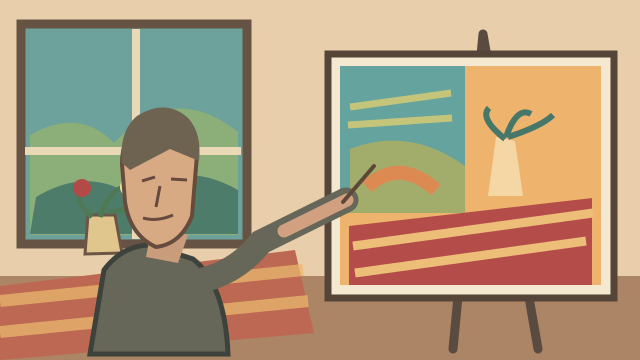
Pierre Bonnard
Bonnard also painted on cardboard, a rigid paper-based support used in selected works and studies. The lightweight panel suits compact compositions and preparatory pieces, distinct from the larger canvases of his decorative interiors. Collection records identify cardboard in works from this period.
-

Joan Miró
Miró used cardboard in painted and collage-based works, including pieces that join a painted surface with found materials. Fundació Miró Mallorca documents cardboard among the supports he explored, distinguishing these works from his conventional canvas paintings. The support remains part of the assembled composition.
-
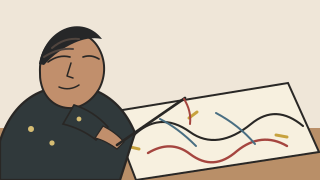
Jackson Pollock
The Met catalogs Pollock’s early Untitled as watercolor and gouache on cardboard. This rigid sheet carries a small-scale experiment in transparent and opaque paint, separate from the unstretched canvases associated with his mature poured work.
-

Paul Klee
Klee used cardboard for works such as Fire in the Evening, an oil painting on cardboard, and as a backing for canvas or paper. The support becomes part of the work’s construction, distinct from the immediate painted surface where a sheet is mounted to it.
-

David Hockney
Hockney also painted on cardboard in selected works recorded by his foundation. The lightweight paper-based support differs from hardboard and canvas. Collection documentation shows cardboard as one of several materials used for studies and paintings, without suggesting that it was a standard support for all his work.
-

Andrew Wyeth
Collection records document Wyeth working on cardboard as well as paper and rigid board. Cardboard suited studies and small works, rather than the stretched canvases used for some early oils. The cited Brandywine and Delaware Art Museum holdings provide examples of light paper-based supports in his broader practice.
-

Jacob Lawrence
Museum records document Lawrence’s use of cardboard and paperboard for selected works on paper and studies. These lightweight supports belong to smaller, portable works rather than the hardboard panels of The Migration Series; they show that his support choices varied with the scale and purpose of the work.
-

Ben Shahn
Museum records document Shahn using cardboard for painted works and studies. This paper-based support differs from the more rigid composition boards identified for works such as Pacific Landscape. Collection entries establish cardboard as a separate material within his varied support practice.
-
Mark Tobey
Cardboard supports selected paintings and collages by Tobey, often as part of a layered construction. It appears alongside paper and board in his works on paper and mixed-media practice; keep the support tied to documented examples rather than assuming it from a collage-like appearance.
-

Sidney Nolan
Nolan painted on cardboard, including the NGV’s Flour lumper, Dimboola (1943), recorded as enamel on cardboard. The lightweight sheet carries a direct image with a matte industrial finish, distinct from the wood and canvas supports documented elsewhere.
-

Cy Twombly
Twombly used cardboard for selected paintings, including collaged and painted compositions in MoMA’s collection. The lightweight, rigid support differs from paper sheets and stretched canvases. Collection records establish cardboard as a distinct support in his mixed-media practice, without implying that it was used for all works.
-

Dia al-Azzawi
Al-Azzawi has used cardboard and paperboard for large works, including fabric-covered supports documented by the Ashmolean. These rigid paper-based materials differ from loose paper sheets and from canvas. The record shows paperboard functioning as a constructed support in mixed-media works.
-

Edgar Degas
Degas used cardboard in selected paintings and studies, including works on paper-based supports recorded by museum collections. The rigid sheet differs from wood panels and stretched canvas, and appears in smaller works. The sources document cardboard directly for individual objects rather than imply a general format.
-

Édouard Vuillard
Vuillard’s oil paintings include cardboard mounted on panel, such as Still Life with Top Hat (1893). This rigid paper-based support differs from loose paper sheets and from paper laid down on canvas for large screens. Museum records document cardboard as a specific support in his intimate compositions.
-

Edward Hopper
Hopper’s early works include cardboard and paperboard supports, particularly for portable studies documented by museum collections. The material is a rigid paper-based sheet, distinct from prepared board, wood, or stretched canvas. The records support cardboard as a specific surface in his practice.
-
Félix Vallotton
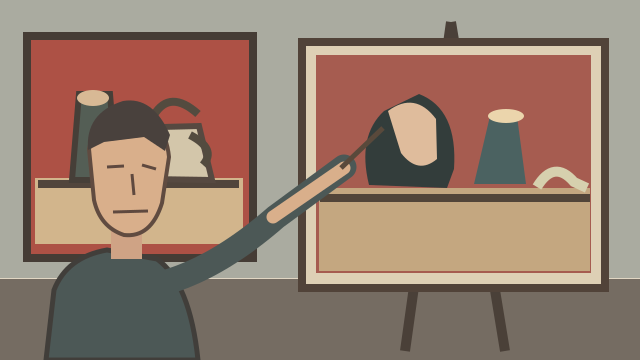
The Met records The Port of Honfleur at Night as oil on cardboard mounted on panel, and the NGA records Street Scene in Paris as gouache and oil on cardboard. These examples document cardboard both as a mounted support and as a base for a mixed-media work.
-
Georges Braque
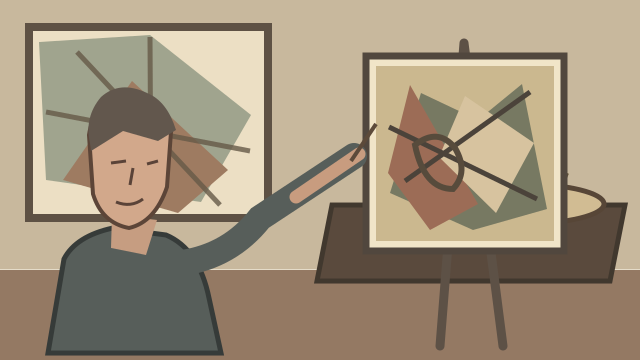
Braque’s papier collé works and selected paintings use cardboard as a support or collage ground. In Fruit Dish and Glass, the paper sheet is mounted to paperboard, providing a firm base for gouache, charcoal, and pasted wallpaper. This differs from canvas used for oil paintings.
-

Georgia O'Keeffe
O’Keeffe used cardboard for oil paintings and color tests. The museum records Untitled (Horse) (1914) as oil on cardboard and documents cardboard and heavy paper in her later Color Cards, Shades of Cadmium. The examples link a finished painting with practical material studies made decades later.
-
Giorgio de Chirico
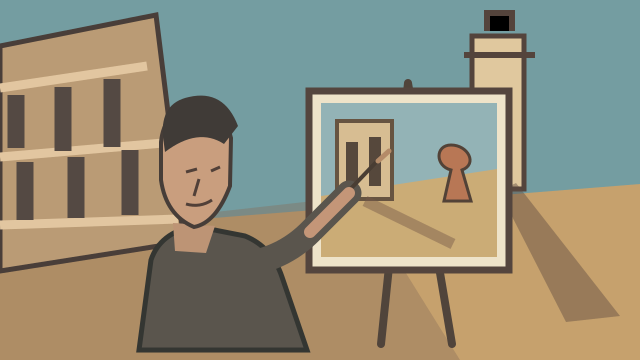
De Chirico also used cardboard in selected works and studies, as documented by museum records. The rigid paper-based support differs from canvas and from loose paper sheets. This row reflects specific collection evidence and does not imply cardboard was a standard surface across his practice.
-

Helen Frankenthaler
The Norton Simon Museum records Frankenthaler’s 1955 Untitled as paint pressed, brushed, and scrunched onto cardboard. That specific work documents cardboard as a support in her early experiments; it should be distinguished from her better-known stain paintings on canvas.
-

Henri Matisse
The National Gallery of Art catalogs Matisse’s Still Life (c. 1905) as oil on cardboard mounted on wood. Its support combines a painted sheet with a rigid backing, documenting cardboard as the image-bearing surface rather than treating all panel works as painted directly on wood.
-
Ilya Repin
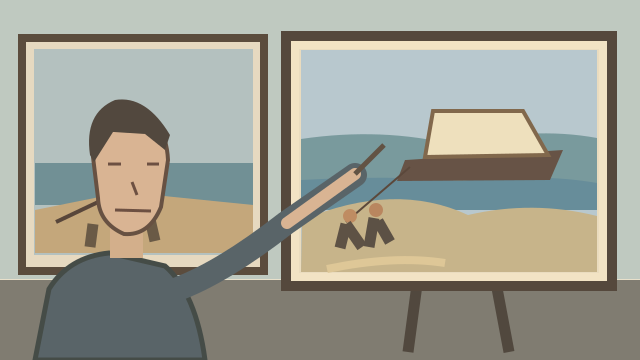
Repin also used cardboard for preparatory work: the State Tretyakov Gallery catalogs a study for Barge Haulers on the Volga as oil on cardboard. Its support belongs to the planning stage for the larger canvas composition, preserving a more compact study rather than another version of the finished monumental picture.
-

James Gurney
Gurney has used cardboard for portable studies and demonstrations, including paint tests and observational work. The inexpensive rigid sheet serves his practical working process rather than defining every finished painting. His examples distinguish cardboard as a working surface from the canvases used in other works.
-

Keith Haring
Haring used cardboard in selected works and street-related pieces, transforming discarded packaging into a surface for his outlined figures and signs. This inexpensive support connects the work to everyday materials and differs from the canvases and construction tarpaulins documented in museum collections.
-

Koloman Moser
Moser’s later self-portrait is painted on canvas mounted on cardboard. The textile remains the immediate painted surface, while cardboard provides a rigid backing; the layered support should not be mistaken for a painting applied directly to cardboard. The catalog describes a mounted canvas, not direct cardboard painting.
-
Kurt Schwitters
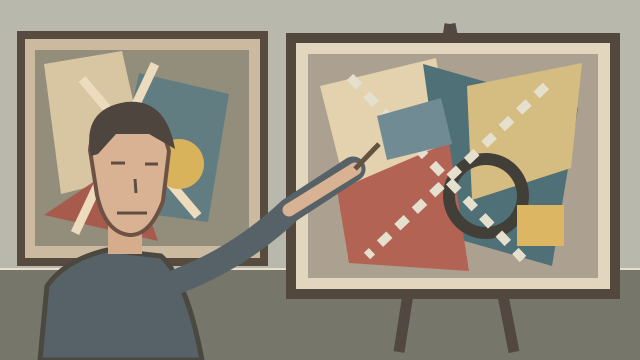
Schwitters’s Merz collages and assemblages use cardboard and paperboard both as supports and as attached material. The cut pieces preserve fragments of ordinary printed packaging, transforming them into a composition; this differs from the canvas support of Revolving. The found material remains part of the final construction.
-

Lucia Di Luciano
Cardboard appears in selected works and studies by Di Luciano. The rigid sheet offers a lightweight support for smaller painted compositions, distinct from Masonite and canvas. Keep this row tied to documented works rather than treating cardboard as a likely material based on its availability.
-

Marc Chagall
Chagall also painted on cardboard in documented works, using the lightweight board for smaller compositions and studies. These examples show a support distinct from canvas and paper, while remaining within his practice of combining painted images with drawn and collage elements.
-
Pablo Picasso
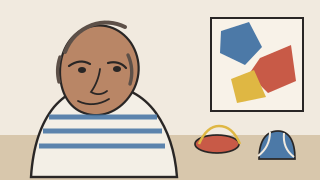
Picasso painted on cardboard in selected works and studies, including compact compositions on reused board. The rigid but lightweight support differs from canvas and ordinary paper; where it appears in a collage, the cardboard can function both as a painted surface and as part of the constructed object.
-

Paul Cadmus
Cadmus used cardboard for selected works and studies documented in collection records. The lightweight rigid sheet differs from composition board and canvas, and provides a compact surface for painted or preparatory work. Museum catalogs identify the material in individual examples.
-
Pierre Puvis de Chavannes
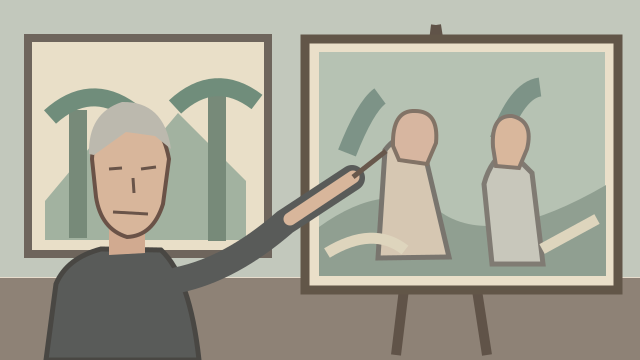
Puvis also made cardboard studies and works on paperboard for large decorative projects. The rigid support provided a durable surface for testing figures and arrangements before the work was enlarged or installed; this is separate from the paper used for watercolor studies.
-

Reginald Marsh
Cardboard supports selected works and studies by Marsh, providing a rigid, lightweight surface for compact urban scenes. The material is distinct from the Masonite and fiberboard used for other paintings. Collection records identify cardboard as the support in documented works from his practice.
-

Robert Delaunay
Delaunay also used cardboard in selected studies and painted works, choosing a rigid, lightweight support for compact compositions. These examples sit alongside his canvas paintings and paper designs. Collection records identify cardboard for works using this surface directly.
-
Robert Vickrey
Cardboard and paperboard support selected works and studies by Vickrey. The lightweight, rigid sheets provide a prepared ground for finely controlled imagery; museum records identify these materials for specific works, rather than allowing the support to be inferred from his medium.
-

Salvador Dalí
Cardboard appears in Dalí’s painted works and studies, including rigid illustration boards. The lightweight support suits compact designs and mixed-media compositions, distinct from canvas used for his major oil paintings. These examples place cardboard among the varied materials used for smaller works.
-
Thomas Eakins
Eakins also used cardboard for watercolor and ink studies, including a study for The Gross Clinic. The rigid sheet provided a firm surface for drawing and wash, distinct from the canvas of the finished painting.
-

Ushio Shinohara
Shinohara used cardboard in works such as Motorcycle Mama, cataloged by the Tochigi Prefectural Museum of Fine Arts with cardboard and synthetic resin paint. The lightweight sheet is shaped into a constructed object, not used as a conventional flat painting ground.
-

Vincent van Gogh
Van Gogh used cardboard for some Paris self-portraits, including an 1887 work catalogued by the Rijksmuseum as oil on cardboard. The museum notes that he painted these portraits when he had no money for models and used himself instead.
-

Wassily Kandinsky
Kandinsky used cardboard for oil paintings such as Untitled Improvisation III, which LACMA catalogs as oil on cardboard, and Murnau: Top of the Johannisstrasse, cataloged by the Thyssen-Bornemisza as oil on cardboard. These collection records document a rigid support for finished landscapes and abstract compositions.
-

Yayoi Kusama
MoMA records Kusama’s spray-painted Untitled (1978) on calligraphy paperboard. This rigid sheet supported repeated net patterns made with spray paint, distinguishing the work from her hand-painted oil paintings on canvas. The material record identifies both the sheet and paint in its collection entry.
Sources: MoMA: Tide, Mucha Foundation: Choirboys at Petrov Church, Brno, watercolor on cardboard, and Rijksmuseum: Women by the Sea, oil on cardboard.
Cardboard paint articles
No cardboard-paint guides are available yet; future articles can cover light coats, warping prevention, and preparing corrugated board for decoration.