
Oil Paint
Oil paint is a slow-drying paint made with pigment and a drying oil binder. It is widely used for artwork because it blends smoothly and develops rich color.

Painter
Maceptaw Bogun was a self-taught artist known for using phosphorescent paint to create images that change in appearance between normal light and darkness.
Review key details about Maceptaw Bogun's self-taught practice, landscape painting, phosphorescent color, and the changing visual effects created between light and darkness.
| Born | 1917 · New York City, New York, U.S. |
|---|---|
| Died | 1995 · New York City, New York, U.S. |
| Nationality | American |
| Movements | Self-taught art |
| Practice | Self-taught painting |
| Paint types | Oil paint · Glow-in-the-dark paint |
| Painting surfaces | Canvas |
| Painting methods | Building textured oil-paint layers and adding phosphorescent passages that reveal a night image in darkness |
| Common subjects | Woodland landscapes, chapels, natural settings, changing light, and day-to-night transformations |
| Conservation finding | Smithsonian analysis identified strontium aluminate; the phosphorescent paint glowed for more than two hours |
| Known for | Using changing light conditions as part of the painted image |
| Notable works | Chapel In-The Fall-Wood |
Sources: Smithsonian American Art Museum: Rev. Maceptaw Bogun, Smithsonian American Art Museum: Chapel In-The Fall-Wood, and Smithsonian conservation analysis.
See the paint types documented in Bogun's work, with links to PaintZeal references explaining each medium's properties, uses, and working characteristics.
Oil paint is a slow-drying paint made with pigment and a drying oil binder. It is widely used for artwork because it blends smoothly and develops rich color.

Glow-in-the-dark paint is a coating made with phosphorescent pigments that absorb light and release it gradually in darkness. It must be exposed to light before it can glow.
See the surface types documented in Bogun's work, with links to PaintZeal references explaining how each support behaves and is prepared for painting.
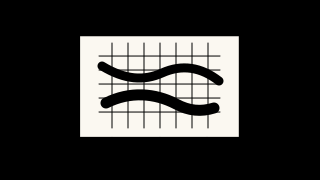
Canvas is a woven fabric support used for paintings, banners, bags, décor, and other projects. Artist canvas may be raw, sized, acrylic-primed, oil-primed, or factory-coated, and each condition changes how paint absorbs and bonds.
Explore painters similar to Maceptaw Bogun through luminous and specialty paints, unusual material effects, and works that change with viewing conditions.

Konrad Lueg was a German painter who experimented with popular imagery, repeated patterns, and phosphorescent color that allowed viewers to cast temporary shadows onto luminous canvases.

Peter Halley is an American painter known for geometric images of cells, prisons, and conduits built from fluorescent Day-Glo acrylic color and deliberately artificial commercial textures.

Mary Corse is an American painter known for white acrylic paintings incorporating reflective glass microspheres that change in appearance with light and the viewer's position.