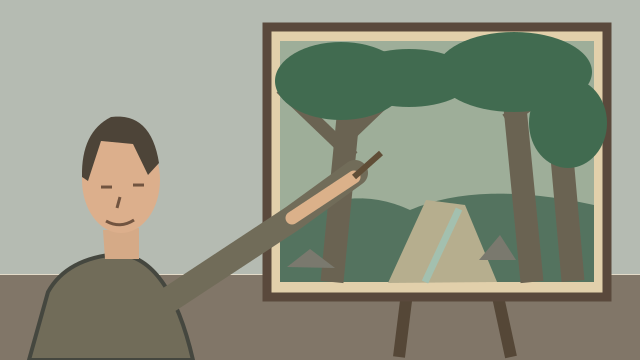
Asher B. Durand
Asher B. Durand was an American Hudson River School painter who favored careful observation of trees, quiet forests, and luminous outdoor studies.
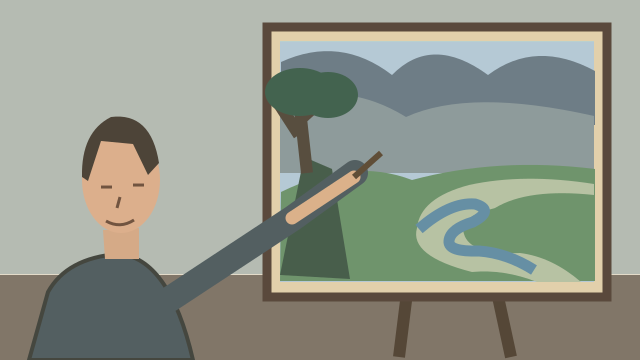
Painter
Thomas Cole was an English-born American painter whose dramatic Catskill landscapes and allegorical cycles helped establish the Hudson River School.
Cole's field sketches informed finished studio canvases, combining closely observed terrain with imagined drama and reflections on human settlement.
| Full name | Thomas Cole |
|---|---|
| Born | 1801 · Lancashire, England |
| Died | 1848 · Catskill, New York, United States |
| Nationality | American |
| Movements | Hudson River School |
| Paint types | Oil Paint |
| Other media | — |
| Other materials | — |
| Painting surfaces | Canvas · Composition board |
| Painting methods | Developed studio paintings from on-site pencil studies and oil composition sketches, using strong light-dark contrasts |
| Common subjects | Catskill wilderness, river valleys, storms, classical ruins, moral allegories, and cycles of civilizations |
| Notable works | The Oxbow · The Course of Empire · The Voyage of Life · The Titan's Goblet |
Sources: The Met: The Oxbow, oil on canvas, The Met: preparatory Oxbow study, oil and pencil on composition board, The Met: Cole exhibition and outdoor studies, The Met: Hudson River School and Cole's role.
Examples below connect Thomas Cole's oil paintings to named landscapes and explain how the medium supports his treatment of light and atmosphere.

Cole's The Oxbow is oil on canvas. To develop it, he made an on-site pencil drawing and later painted a small oil sketch on composition board, combining oil and pencil to test the composition, color balance, and rhythm before completing the large studio canvas.
Sources: The Met: The Oxbow, oil on canvas, The Met: Oxbow study, oil and pencil on composition board, The Met: Clouds, oil on paper laid down on canvas.
Thomas Cole's documented works use canvas and composition board; examples clarify whether each is the painted ground, support, or part of the object.
Cole’s major landscapes, including The Oxbow, are documented on canvas. The broad support carries a carefully staged view of wilderness and settlement, with light and terrain balanced across the scene. His preparatory oil sketch on composition board documents a separate, smaller working format.

Cole made oil and pencil studies on composition board, including a preparatory study for The Oxbow. The rigid manufactured support let him test composition, color balance, and the rhythm of the landscape before completing the large studio canvas. The record identifies the panel as part of the painted construction.
Sources: The Met: The Oxbow, oil on canvas, The Met: preparatory Oxbow study, oil and pencil on composition board, The Met: Cole exhibition and outdoor studies, The Met: Hudson River School and Cole's role.
Durand developed Cole's landscape tradition through close observation, while Church studied with Cole and extended the tradition's monumental scale.
Asher B. Durand was an American Hudson River School painter who favored careful observation of trees, quiet forests, and luminous outdoor studies.
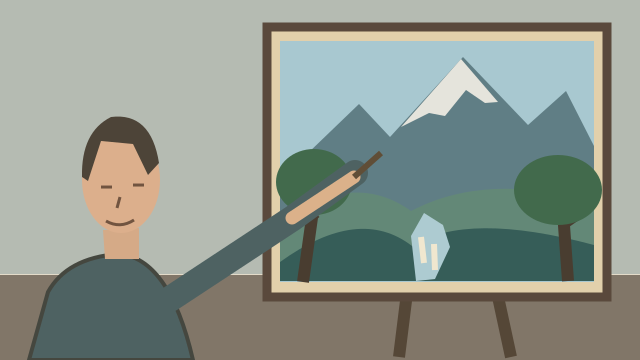
Frederic Edwin Church was an American Hudson River School painter celebrated for monumental views of the Andes, Niagara Falls, and atmospheric light.