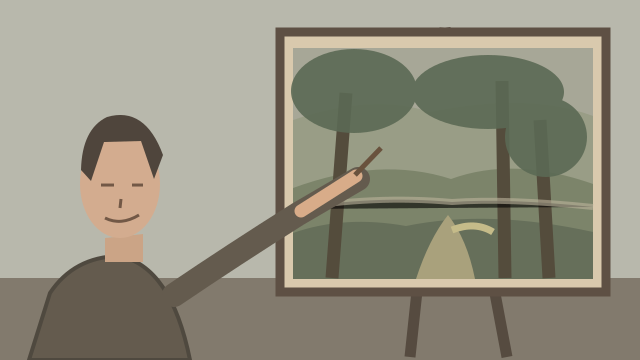
George Inness
George Inness was an American landscape painter whose atmospheric late oils and poetic light helped shape Tonalism after early Hudson River influences.
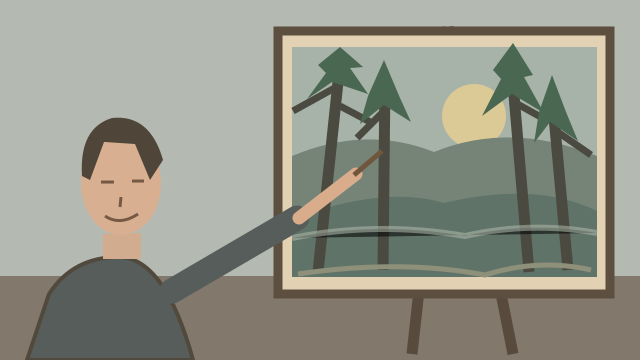
Painter
Charles Warren Eaton was an American Tonalist painter known for shadowy pine groves, quiet marshes, twilight skies, and delicate watercolor studies.
Charles Warren Eaton became known for quiet Tonalist landscapes, especially Connecticut pines, working in both oil and watercolor across changing seasons.
| Full name | Charles Warren Eaton |
|---|---|
| Born | 1857 · Albany, New York, United States |
| Died | 1937 |
| Nationality | American |
| Movements | Tonalism (associated landscape tradition) |
| Paint types | Oil Paint · Watercolor Paint |
| Other media | — |
| Other materials | — |
| Painting surfaces | Canvas · Paper |
| Painting methods | Used subtle oil glazes and soft watercolor washes within restrained color ranges |
| Common subjects | White pines, winter woods, misty ponds, marshes, dawn and sunset skies, and Italian lakes |
| Notable works | Twilight · Woods in Winter · Pines · Gathering Mists |
Sources: University of Michigan: Twilight, oil on canvas, National Gallery of Art: Woods in Winter, oil on canvas, New York State Museum: Pines, watercolor on paper, Smithsonian: Gathering Mists, oil on canvas, U.S. Department of State: Eaton and the Connecticut pines.
Eaton painted Tonalist landscapes in oil on canvas and used watercolor on paper for smaller tree and woodland views in his field studies and sketches.

Eaton’s Woods in Winter is oil on canvas. He used a restrained range of dark tree forms and pale ground to shape the winter landscape, while other museum records document oil in his twilight scenes. These paintings show his sustained attention to tree forms and seasonal light in the Tonalist landscape tradition.

Eaton’s Pines is watercolor on paper, according to the Smithsonian. The smaller work records the characteristic tree motif through washes on an absorbent sheet, distinct from his oil landscapes on canvas. Museum records document both media and supports, showing a separate watercolor practice alongside his larger finished paintings.
Sources: National Gallery of Art: Woods in Winter; New York State Museum: Pines.; Smithsonian American Art Museum: Gathering Mists
Eaton’s oil landscapes are documented on canvas, while one watercolor view uses paper; examples distinguish these supports in his seasonal landscapes.
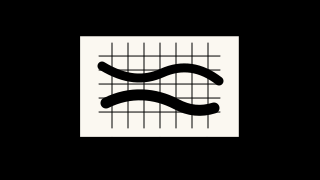
Eaton’s landscape paintings, including Twilight and Woods in Winter, are documented on canvas. The textile surface carries his carefully modulated oil scenes of trees, snow, and fading light. These finished landscapes contrast with watercolor works on paper, including the Smithsonian’s Pines.

The Smithsonian records Eaton’s watercolor painting Pines on paper. Its sheet support distinguishes the small watercolor from the oil paintings on canvas that make up many of his landscape compositions. The work documents both paper and watercolor directly, rather than assuming the medium’s support from common practice.
Sources: University of Michigan: Twilight, oil on canvas, National Gallery of Art: Woods in Winter, oil on canvas, New York State Museum: Pines, watercolor on paper, Smithsonian: Gathering Mists, oil on canvas, U.S. Department of State: Eaton and the Connecticut pines.
Eaton worked near Inness and shared Tryon’s taste for hushed fields, slender trees, and subdued light in Tonalist American landscape painting.
George Inness was an American landscape painter whose atmospheric late oils and poetic light helped shape Tonalism after early Hudson River influences.
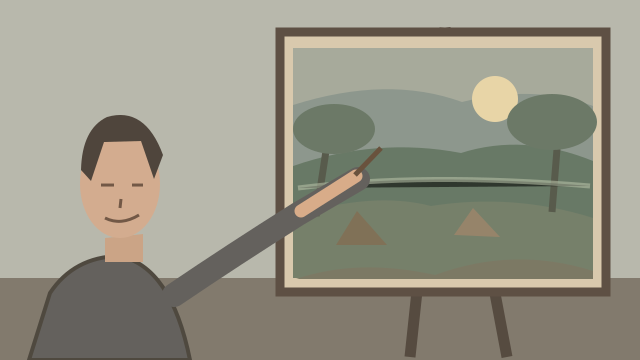
Dwight William Tryon was an American Tonalist painter known for quiet fields, early-spring twilight, moonrise scenes, and subtle harmonies of muted color.