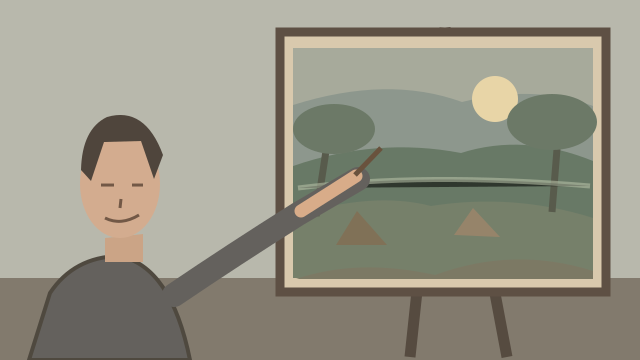
Dwight William Tryon
Dwight William Tryon was an American Tonalist painter known for quiet fields, early-spring twilight, moonrise scenes, and subtle harmonies of muted color.
Painter
George Inness was an American landscape painter whose atmospheric late oils and poetic light helped shape Tonalism after early Hudson River influences.
Inness moved from panoramic landscapes toward expressive scenes shaped by Barbizon painters and his spiritual outlook, a shift evident in later paintings.
| Full name | George Inness |
|---|---|
| Born | 1825 · Newburgh, New York, United States |
| Died | 1894 · Bridge of Allan, Scotland |
| Nationality | American |
| Movements | Tonalism (associated aesthetic and period) |
| Paint types | Oil Paint · Watercolor Paint · Gouache Paint |
| Other media | — |
| Other materials | — |
| Painting surfaces | Canvas · Paper |
| Painting methods | Used softened outlines, atmospheric glazes, blended oil paint, and watercolor-and-gouache studies made during travel |
| Common subjects | Mist-filled meadows, dusk skies, tree-lined fields, pine forests, spring blossoms, and pastoral landscapes |
| Notable works | Peace and Plenty · Olive Trees at Tivoli · Spring Blossoms, Montclair, New Jersey · Tarpon Springs, Florida, the Artist's Home |
Sources: The Met: Inness biography and Tonalist development, The Met: Spring Blossoms, oil and crayon or charcoal on canvas, The Met: Olive Trees at Tivoli, gouache and watercolor on paper, The Met: Across the Campagna, watercolor and gouache on paper.
Inness worked in oil on canvas and made watercolor-and-gouache landscapes on paper, applying distinct media to different subjects and formats.

The National Gallery of Art records Inness’s The Lackawanna Valley as oil on canvas. He used oil to build an atmospheric landscape of rail lines and industry, softening the scene’s boundaries with muted color and light. Museum records document oil as the medium in his finished landscapes.

The Met catalogs Across the Campagna as watercolor and gouache on paper, recording Inness’s water-based studies separately from his oils. The sheet combines transparent watercolor with opaque gouache in a landscape study. This documented medium differs from the oil paint used for finished canvas scenes.

The Met records gouache alongside watercolor in Olive Trees at Tivoli and Across the Campagna, confirming his use of both media on paper. The opaque paint is identified separately from transparent watercolor, and these works differ from the oil paintings on canvas that make up much of his practice.
Sources: National Gallery of Art: The Lackawanna Valley; National Gallery of Art: Hillside at Étretat.; The Met: Olive Trees at Tivoli, gouache and watercolor; The Met: Across the Campagna, gouache and watercolor
Collection entries identify canvas and paper among George Inness’s supports, with the examples below grounding each material in documented works.

Inness’s landscape paintings, including The Lackawanna Valley and Spring Blossoms, are documented on canvas. The support carries his oil scenes, where atmospheric light and softened forms shape the view. These finished paintings differ from watercolor and gouache works on paper.

Inness used paper for watercolors and gouaches, including the Met’s Olive Trees at Tivoli and Across the Campagna. The sheet supports both transparent and opaque media, distinct from canvas used for oil paintings. Museum records directly identify paper for these studies.
Sources: The Met: Inness biography and Tonalist development, The Met: Spring Blossoms, oil and crayon or charcoal on canvas, The Met: Olive Trees at Tivoli, gouache and watercolor on paper, The Met: Across the Campagna, watercolor and gouache on paper.
Tryon shared Inness’s preference for atmospheric mood; Rousseau belonged to the Barbizon landscape tradition that influenced Inness in New England.
Dwight William Tryon was an American Tonalist painter known for quiet fields, early-spring twilight, moonrise scenes, and subtle harmonies of muted color.
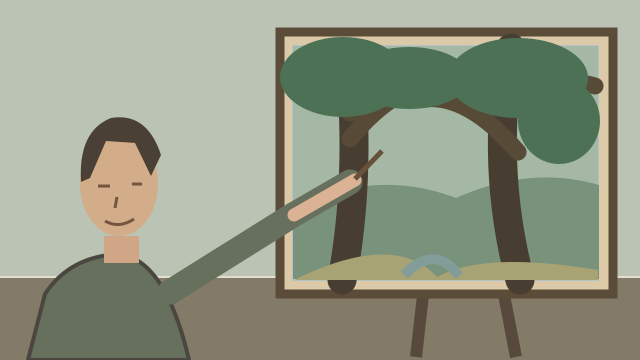
Théodore Rousseau was a French Barbizon School painter whose richly observed forests, old trees, and changing skies gave landscape a commanding presence.