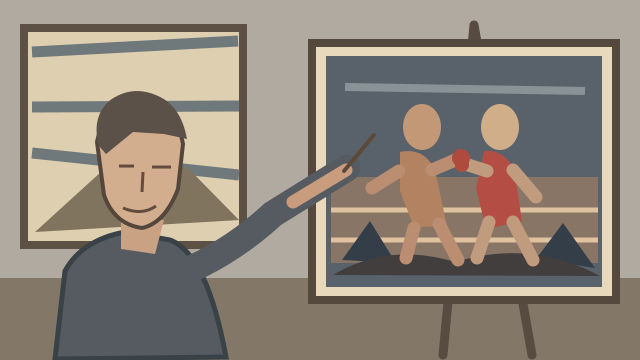
George Bellows
George Bellows was an American Ashcan School painter known for energetic scenes of New York City, boxing matches, crowded streets, and rough seas.
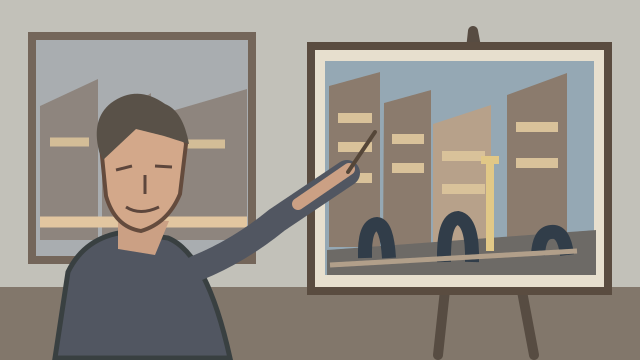
Painter
John Sloan was an American Ashcan School painter known for candid New York street scenes, neighborhood routines, and direct observations of city life.
Sloan belonged to The Eight and Ashcan School, depicting New York life from direct observation after working as an illustrator for local newspapers.
| Full name | John French Sloan |
|---|---|
| Born | 1871 · Lock Haven, Pennsylvania, United States |
| Died | 1951 · Hanover, New Hampshire, United States |
| Nationality | American |
| Movements | Ashcan School; American Realism |
| Paint types | Oil paint · Watercolor |
| Other media | Etchings and newspaper illustrations documented city life alongside paintings |
| Other materials | — |
| Painting surfaces | Canvas · Paper |
| Painting methods | Paints oil compositions from direct observation and develops watercolor studies over preliminary graphite drawing |
| Common subjects | Working-class streets, elevated trains, social gatherings, shop windows, parks, and everyday New York |
| Notable works | McSorley's Bar · The Jitney · The New Blue Dress · Rain, Rooftops, West 4th Street |
Sources: The Met: The Jitney, oil on canvas, Smithsonian Hirshhorn: The New Blue Dress, Delaware Art Museum: Factory in Ruins, watercolor, Delaware Art Museum: Standing Nude, watercolor and graphite, The Met: The Ashcan School.
Sloan’s oil paintings of New York street life turn ordinary urban encounters into carefully composed scenes, with examples below documenting his practice.

In Dust Storm, Fifth Avenue (1906), Sloan used oil on canvas to show wind funneling around the Flatiron Building. His direct urban scene fixes a fleeting weather event within a recognizable New York street, reflecting the observational approach of the Ashcan painters. The canvas format supports a carefully composed view of everyday city life.

Sloan also made watercolors, including the Delaware Art Museum’s Landscape, cataloged on paper. This compact sheet-based work extends his urban observation into a looser medium, separate from the finished oils on canvas. The transparent washes preserve the immediacy of a study rather than the dense surface of his street paintings.
Sources: The Met: Dust Storm, Fifth Avenue.; Delaware Art Museum: Landscape, watercolor; Whitney: John Sloan
Records connect John Sloan's use of canvas and paper to the named works below, showing how each support appears in the artist's practice and studies.

Sloan’s urban paintings, including The Jitney and Dust Storm, Fifth Avenue, are documented on canvas. He used the support for scenes of street traffic and weather, organizing everyday city life into a compact, observed composition. These finished oils are distinct from his watercolors and drawings on paper.

Sloan’s watercolors and drawings use paper, including works in the Smithsonian and Delaware Art Museum collections. The Delaware museum’s Landscape documents watercolor on paper, while the Smithsonian holds his drawings. These works use a portable sheet format distinct from his oil paintings of New York.
Sources: The Met: The Jitney, oil on canvas, Smithsonian Hirshhorn: The New Blue Dress, Delaware Art Museum: Factory in Ruins, watercolor, Delaware Art Museum: Standing Nude, watercolor and graphite, The Met: The Ashcan School.
Bellows painted modern New York crowds, while Marsh extended the Ashcan interest in urban observation to younger artists in a later generation.
George Bellows was an American Ashcan School painter known for energetic scenes of New York City, boxing matches, crowded streets, and rough seas.

Reginald Marsh was an American painter and illustrator known for scenes of New York City crowds, Coney Island, burlesque theaters, and street life.