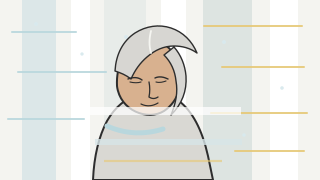
Mary Corse
Mary Corse is an American painter whose white acrylic paintings incorporate reflective glass microspheres, shifting with light and the viewer's position.

Painter
Jacqueline Humphries is an American abstract painter known for reflective silver and fluorescent black-light paintings that shift with movement and light.
Humphries builds large abstract oil and enamel paintings with reflective and fluorescent surfaces that change with viewing angle and surrounding light.
| Full name | Jacqueline Humphries |
|---|---|
| Born | 1960 · New Orleans, Louisiana, U.S. |
| Died | — |
| Nationality | American |
| Movements | — |
| Paint types | Oil paint · Enamel paint |
| Other media | — |
| Other materials | — |
| Painting surfaces | Linen · Canvas · Painting board · Plywood |
| Painting methods | Layering, scraping, gestural marks, reflective grounds, fluorescent pigments, and repeated reworking of the painted surface |
| Common subjects | Abstract marks, reflective silver fields, fluorescent color, typographic signs, and digital symbols |
| Notable works | Note to Self · Untitled (white) · Hor. #4 1/2 |
Sources: Whitney Museum of American Art, Whitney: Untitled (2009), Whitney: Untitled (white), Museum Brandhorst: Note to Self, The Met: Hor. #4 1/2, and Aspen Art Museum.
Humphries’s records identify oil on board and linen, plus enamel on linen; these documented supports do not establish unverified binder claims.

The Met catalogs Humphries’s Hor. #4 1/2 as oil on board, while the Whitney records an untitled 2009 painting as oil on linen. Across these works, oil supports layered fields of dark, fluorescent, and reflective marks. The different supports are museum-documented examples, not a single fixed format for her abstract paintings.

Aspen Art Museum documents Humphries using enamel on linen. The quick-drying industrial paint appears alongside her oil practice, allowing her to make glossy, reflective passages within large abstract compositions. This material is recorded in the museum’s account of her process rather than inferred from the paintings’ sheen.
Sources: The Met: Hor. #4 1/2, Whitney: Untitled (2009), Aspen Art Museum: Jacqueline Humphries.
Collection entries identify linen and canvas among Jacqueline Humphries’s supports, with the examples below grounding each material in documented works.

The Whitney catalogs an untitled 2009 painting by Humphries as oil on linen, and Aspen Art Museum documents her use of enamel on linen. These collection and exhibition records identify a woven fabric support for her layered abstraction, including works that combine materially different paint surfaces.
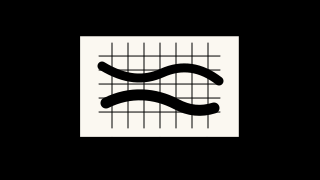
Humphries also works on canvas, as recorded for selected paintings in museum materials. Her large-scale compositions build up reflective and fluorescent passages over the fabric; canvas is one documented support within a practice that also includes linen and rigid boards.

The Met records Hor. #4 1/2 as oil on board, documenting a rigid support in Humphries’s practice. Its small, compact format differs from her larger paintings on fabric and supports the dense, layered surface of the work without implying that every painting uses board.

Humphries has also used plywood panels for selected paintings, as documented in exhibition records. This rigid, layered wood support adds to the range of formats in her studio practice; the specific works should be understood alongside, rather than as substitutes for, her canvas and linen paintings.
Sources: Whitney Museum of American Art, Whitney: Untitled (2009), Whitney: Untitled (white), Museum Brandhorst: Note to Self, The Met: Hor. #4 1/2.
Explore painters connected to Humphries through reflective or fluorescent surfaces, metallic effects, layered abstraction, and color shifts with light.
Mary Corse is an American painter whose white acrylic paintings incorporate reflective glass microspheres, shifting with light and the viewer's position.

Suzanne McClelland is a New York-based artist whose abstract paintings combine language, numbers, gesture, and shifting effects from iridescent paint.