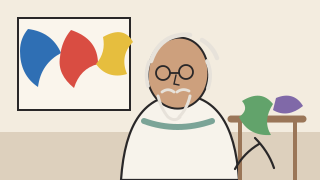
Henri Matisse
Henri Matisse was a French artist known for vivid color, simplified forms, Fauvist painting, and the gouache-painted paper cut-outs of his later career.

Painter
Gustave Moreau was a French Symbolist painter known for richly ornamented mythological scenes, biblical figures, and detailed oil and watercolor paintings.
Moreau’s richly detailed canvases and works on paper helped establish a model for Symbolist art shaped by myth, imagination, and suggestion.
| Full name | Gustave Moreau |
|---|---|
| Born | April 6, 1826 · Paris, France |
| Died | April 18, 1898 · Paris, France |
| Nationality | French |
| Movements | Symbolism (early influential figure) |
| Paint types | Oil Paint · Watercolor Paint · Gouache Paint |
| Other media | — |
| Other materials | — |
| Painting surfaces | Canvas · Paper |
| Painting methods | Made precise figure studies and layered color; combined transparent watercolor with opaque gouache over graphite underdrawing |
| Common subjects | Mythological figures, religious visions, sphinxes, legendary heroines, symbolic animals, and imagined architecture |
| Notable works | Oedipus and the Sphinx · The Apparition · Orpheus · Jupiter and Semele |
Sources: The Met: Oedipus and the Sphinx, oil on canvas, The Met: Saint Cecilia, gouache and watercolor, The Met: Sphinx in a Grotto, varnished watercolor and gouache.
Moreau made mythological oil paintings on wood and canvas, alongside elaborate works on paper that combine watercolor and gouache over drawing.

Salome with the Head of John the Baptist is oil on wood. Moreau used the firm panel support for a densely detailed, jewel-like mythological image. The Met’s record documents both the medium and the support, distinguishing this work from his watercolors and gouaches on paper.

Saint Cecilia is watercolor and gouache over graphite on paper mounted to a wood panel; the catalog identifies both paint media and the drawing beneath them. This layered construction documents watercolor as a distinct medium in Moreau’s works on paper, separate from his oil paintings on wood.

Moreau combined opaque gouache with watercolor in Saint Cecilia, using the two distinct media over graphite rather than treating gouache as transparent watercolor. The paper was mounted to a wood panel, which is the backing rather than the painted sheet. The Met record documents the construction.
Sources: The Met: Salome with the Head of John the Baptist; The Met: Saint Cecilia.; Musée Gustave Moreau: artist biography
Collection entries identify canvas and paper among Gustave Moreau’s supports, with the examples below grounding each material in documented works.

Moreau’s oil paintings, including Oedipus and the Sphinx, are documented on canvas. The textile support carries his large mythological compositions, distinct from the wood panels and paper-mounted works used for other paintings. Museum records identify canvas directly for representative works.

Moreau’s watercolors and gouaches, including Saint Cecilia, use paper mounted to a wood panel. The sheet is the image-bearing support, while the panel provides backing. This layered construction differs from his oil paintings directly on canvas or wood. The source describes both layers as part of the support construction.
Sources: The Met: Oedipus and the Sphinx, oil on canvas, The Met: Saint Cecilia, gouache and watercolor, The Met: Sphinx in a Grotto, varnished watercolor and gouache.
Moreau taught Henri Matisse at the École des Beaux-Arts, encouraging individual color choices despite the artists’ sharply different styles.
Henri Matisse was a French artist known for vivid color, simplified forms, Fauvist painting, and the gouache-painted paper cut-outs of his later career.