
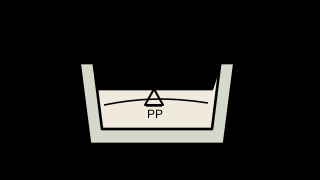
Painting Surface
Polypropylene
Polypropylene is a lightweight plastic used in containers and auto trim, with low surface energy that makes paint adhesion difficult without pretreatment.
Paint compatibility with polypropylene
Choose a coating that explicitly approves polypropylene and any required adhesion promoter, since generic plastic paints may peel from untreated PP.
| Paint | Compatibility | Preparation | Primer or ground | Finish | Guide |
|---|---|---|---|---|---|
| Spray paint | Good only with a polypropylene-approved formula or compatible primer system | Identify the item as PP, remove mold-release residue and grease, clean and dry thoroughly, and test a hidden area. | Use a primer or adhesion promoter explicitly approved for PP unless the product permits direct application. | Spray light coats and follow the full recoat and cure schedule before handling. | Polypropylene painting guide |
| Acrylic paint | Limited without a dedicated PP adhesion system | Clean and test the surface; sanding alone rarely solves the low-surface-energy problem. | Use a PP-specific adhesion promoter or primer compatible with the chosen acrylic. | Use a suitable clear coat only if the complete system allows it; verify adhesion after curing. | — |
| Enamel paint | Product-specific when combined with a suitable plastics primer | Remove contamination and verify solvent compatibility on a hidden area. | Use the PP-approved primer and enamel combination specified by the manufacturer. | Allow full curing before contact, flexing, or abrasion. | — |
| Paint markers | Unreliable unless the particular marker or surface-treatment system approves PP | Clean and dry thoroughly; test adhesion after the marker has cured. | Follow any marker-approved pretreatment rather than assuming a generic primer will work. | Suitable mainly for low-wear decorative work unless durability has been tested. | — |
| Polyurethane paint | Good for automotive or industrial PP parts only with an approved flexible coating system | Remove mold-release residue and contamination; identify polypropylene or a PP/TPO blend and test adhesion. | Use the PP-approved polyolefin adhesion promoter and urethane primer or sealer specified for the topcoat. | Maintain required flexibility, flash and cure times; verify adhesion before reassembly. | — |
Sources: Rust-Oleum PP-compatible plastic primer guidance, Sherwin-Williams polypropylene adhesion promoter, U-TECH PP and PE plastic promoter with urethane primers, Mitsubishi Chemical SURFLEN coating primer for PP and PE, Eastman modified-polyolefin coating adhesion promoters.
Painters who used polypropylene
Betsy Eby’s plein-air acrylic studies on YUPO show how a polypropylene-based paper provides a smooth, lightweight surface for outdoor painting.
-
Betsy Eby
Eby’s Wheaton Island plein-air studies include dozens of acrylic works on YUPO Paper, including her 2020 Golden Hour series. YUPO is made primarily from polypropylene resin, so these works document her use of a polypropylene-based painting surface.
Sources: Betsy Eby: Golden Hour works on YUPO, Dowling Walsh Gallery: Eby’s YUPO paintings, Heather Gaudio Fine Art: Eby’s acrylic on YUPO, and YUPO: polypropylene resin composition.
Polypropylene paint articles
The linked guide examines painting polypropylene, with practical attention to the preparation and adhesion challenges of this low-energy plastic.