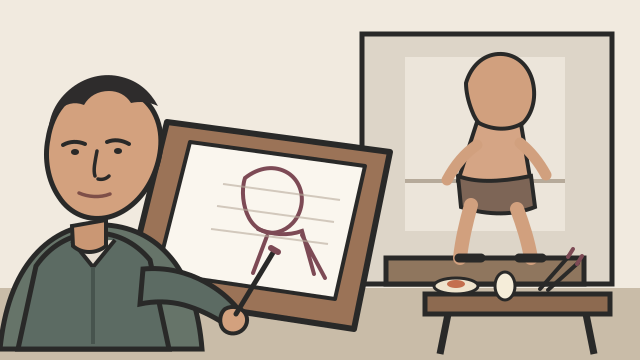
Paul Cadmus
Paul Cadmus was an American painter known for figurative social satire, sustained egg tempera, and casein, watercolor, and gouache studies on paper.

Painter
Jared French was an American painter known for precise egg-tempera pictures of figures and symbolic scenes, and associated with Magic Realism.
Jared French’s quick facts cover egg-tempera and oil paintings, layered technique, symbolic figuration, and his links to the PaJaMa art group.
| Born | 1905 · Ossining, New York, U.S. |
|---|---|
| Died | 1988 · Rome, Italy |
| Nationality | American |
| Movements | Magic Realism · American figurative painting |
| Paint types | Egg tempera |
| Painting surfaces | Gesso-prepared painting board · Canvas · Paper (sometimes mounted on linen and wood) |
| Other media | Ink and staged photography |
| Painting methods | Thin, carefully controlled tempera layers, sharply modeled human figures, and deliberate spatial arrangements |
| Common subjects | Idealized figures, coastal settings, symbolic gestures, relationships, and psychologically ambiguous scenes |
| Known for | Egg-tempera paintings associated with Magic Realism and collaborative PaJaMa photographs with Margaret French and Paul Cadmus |
| Notable works | State Park · Summer's Ending · Learning |
Sources: Whitney Museum: Jared French, Whitney: State Park, Whitney: Summer's Ending, Whitney: The Rope, Smithsonian: Learning, Smithsonian: Nude and Dress Suit, Smithsonian: artist biography.
French favored egg tempera for carefully modeled figures, building forms through controlled, small-scale brushwork on rigid supports and prepared grounds.

The Whitney identifies egg tempera as French’s preferred medium and catalogs State Park (1946) as tempera on composition board. The precise egg binder is not specified in that object record, but the museum documents his use of tempera for tightly controlled forms and sharply defined surfaces.
Sources: Whitney: State Park; Whitney: Jared French.; Whitney: The Rope
Collection entries identify painting board and canvas among Jared French’s supports, with the examples below grounding each material in documented works.

French painted on gesso-prepared board, including the Whitney’s State Park, which is cataloged as tempera on composition board. The rigid, smooth support suits the precise edges and carefully modeled figures in his egg-tempera paintings; it is the best-documented format in his practice.
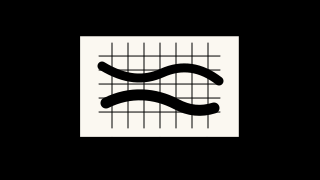
Whitney collection records also document French’s paintings on canvas. Those examples show that his carefully constructed figurative compositions were not limited to composition board, although the board remains especially closely associated with his tempera work. The Whitney records the canvas directly for those works.

French made works on paper and sometimes mounted the sheets onto linen or wood panels. In those constructions, paper remains the painted surface while the secondary support stabilizes the sheet. This layered format should be distinguished from works painted directly on canvas or gessoed board.

Some of French’s paper works were mounted onto linen, as documented in collection records. The linen functions as a backing beneath the sheet, not necessarily as the surface receiving the paint; describing the full support construction preserves that distinction. The records describe this specific layered construction.
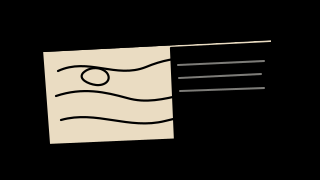
French’s paper works were sometimes mounted on wooden panels, combining the sheet with a rigid backing. The wood provides structural support behind the painted paper, while other works were painted directly on board or canvas. These different constructions should not be treated as interchangeable.
Sources: Whitney Museum: Jared French, Whitney: State Park, Whitney: Summer's Ending, Whitney: The Rope, Smithsonian: Learning.
Explore painters linked through egg tempera, meticulously arranged figurative scenes, Magic Realism, and connections within shared artistic circles.
Paul Cadmus was an American painter known for figurative social satire, sustained egg tempera, and casein, watercolor, and gouache studies on paper.

George Tooker was an American painter known for egg-tempera scenes of offices, subways, and waiting rooms, often centered on isolation and social tension.
Robert Vickrey was a painter and illustrator known for egg-tempera works combining observation and symbolism, plus watercolor and gouache paintings.
John Wilde was an American Magic Realist known for intricate oil paintings on wooden panels, depicting surreal figures, animals, and imagined worlds.